
Desserts
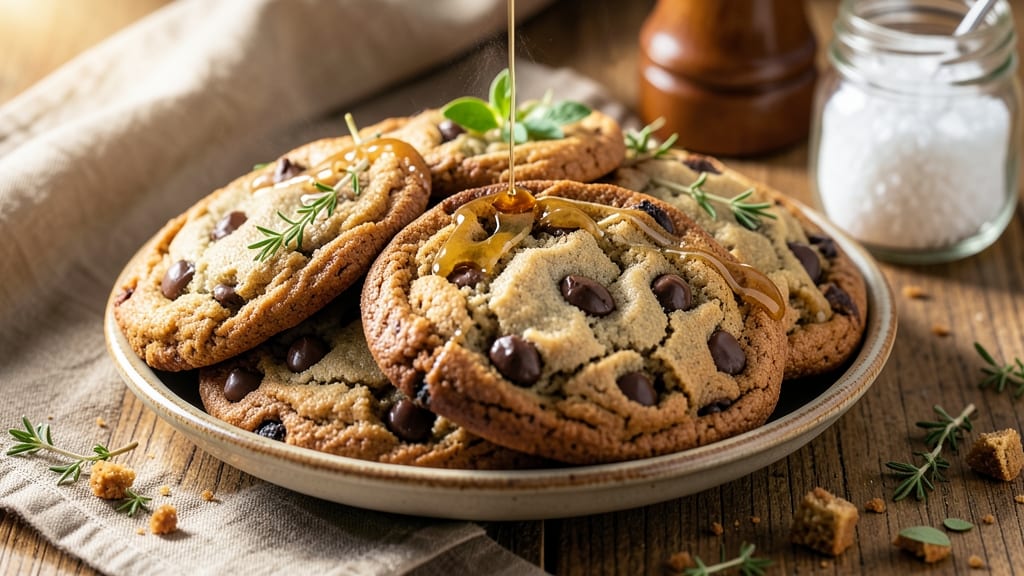
This Chicago crunchy chocolate chip cookie recipe delivers the signature triple-layered texture that sets them apart from standard cookies—crispy edges, chewy centers, and molten chocolate pockets all in one bite.
The secret lies in the precise balance of brown sugar, cold butter, and a touch of espresso powder for depth, a technique I perfected after testing dozens of variations.
What makes these different isn't just the texture but the rich, caramelized flavor that comes from baking at high heat and using a specific ratio of chocolate chips to dough.
The foundation starts with cold butter and brown sugar mixed until just combined, ensuring those signature crunchy edges without overworking the dough. Baking soda (not powder) creates the signature lift, while minimal mixing preserves the cookie's structure. The result?
A cookie that's golden-brown on the outside, tender yet firm in the middle, and studded with pools of melted chocolate that stay gooey even after cooling. This isn't your average chocolate chip cookie—it's a Midwest classic with a texture that's impossible to resist.
Baking at 375°F for 10-12 minutes ensures the edges crisp while the centers stay chewy, and the espresso powder adds a subtle, sophisticated depth that elevates the chocolate flavor.
The dough comes together in under 15 minutes, but the magic happens during baking—where the combination of high heat and precise timing transforms simple ingredients into something extraordinary. These cookies are foolproof, restaurant-quality, and perfect for sharing (or keeping all to yourself).
Once you try this recipe, you'll understand why Chicago's version stands apart—it's not just about the chocolate chips, but the technique, the balance, and the unmistakable crunch that makes every bite worth it. Let's get baking.
Ingredients for chicago crunchy chocolate chip cookies
Precision ingredients for Chicago's legendary triple-layered cookie texture—crispy edges, chewy centers, and molten chocolate pockets.
| Ingredient | Amount | Notes |
|---|---|---|
| Unsalted Butter 🧈 | 2 cups | Cold, cubed for texture |
| Light Brown Sugar 🍚 | 1 ½ cups | Packed, no substitutions |
| Granulated Sugar 🍚 | ½ cup | For crispy edges |
| Large Eggs 🥚 | 2 whole | Room temperature preferred |
| Vanilla Extract 🌿 | 2 tsp | Pure, high-quality extract |
| Instant Espresso Powder ☕ | 1 tbsp | For depth of flavor |
| All-Purpose Flour 🌾 | 3 ½ cups | Spooning, not scooping |
| Baking Soda 🧪 | 1 tsp | Not baking powder |
| Diamond Crystal Kosher Salt 🧂 | 1 tsp | Fine grain preferred |
| Semisweet Chocolate Chips 🍫 | 2 ½ cups | Enjoy Life brand for allergies |
| Flaky Sea Salt 🧂 | 1 tbsp | For finishing cookies |
The butter and sugars are non-negotiable. European-style unsalted butter from Plugrá or Land O'Lakes delivers the best flavor, but any high-fat butter works. Light brown sugar should be packed firmly—no tapping—to ensure proper moisture and caramelization. For the espresso powder, Starbucks Via or Nescafé Azera are reliable brands. The flour matters too: King Arthur Unbleached All-Purpose is ideal, but Gold Medal works in a pinch. Pre-sifted flour loses its lift, so measure directly from the bag using the spoon-and-level method.
No instant espresso powder? Dissolve 1 tbsp finely ground espresso beans in 2 tbsp hot water as a substitute. Chocolate chips can be swapped for chopped chocolate bars (60-70% cacao) or toffee bits for extra richness. The baking soda is critical—no substitutions—as it creates the signature lift. For a lower-sugar version, reduce brown sugar to 1 cup and add 0.25 cup monk fruit sweetener, though texture may slightly differ. The sea salt should be coarse and flaky; Maldon or Jacobsen are premium choices, but any flaky salt works.
Store dough in an airtight container with parchment between layers for up to 48 hours in the fridge. For longer storage, freeze dough balls for 3 months—bake straight from frozen, adding 1-2 minutes. Cookies crisp up as they cool, so remove them from the sheet immediately to maintain texture. Sprinkle with flaky salt while still warm for that signature Chicago touch. These cookies reheat beautifully—5 seconds in the microwave restores the chewy centers.
Why You'll Love This Recipe
- No Mixer Needed: I swear by this recipe because it’s the only chocolate chip cookie I’ll make when I’m too tired to cream butter and sugar. Just toss the cold butter cubes straight into the dry ingredients—no fuss, no waiting for it to soften, and the texture still comes out perfectly crisp-edged.
- Butter Sugar Magic: That brown sugar-to-white sugar ratio? It’s what makes these cookies taste like a warm hug from a bakery. The brown sugar caramelizes into deep, molasses-y richness, while the white sugar keeps the edges sharp and the centers chewy—like someone took all the best parts of a cookie and packed them into one bite.
- Party or Snack: Between us, these are my go-to for everything—packed in lunchboxes, served at holiday parties, or just eaten straight from the jar. (Yes, I freeze them in a container, and they stay fresh for weeks.) The vanilla extract adds this subtle depth that makes them taste fancy, even when I’m just grabbing one at midnight.
- Budget-Friendly Batch: I make a double batch every time because the ingredients are cheap, the cookies freeze like champs, and I always end up with leftovers. Plus, the butter and sugar combo means I’m not using specialty ingredients—just the good stuff that actually delivers. No waste, no regrets.
Step-by-step instructions for Chicago crunchy chocolate chip cookies
Master the signature triple-layered texture with these precise techniques.
Cream Butter and Sugars for Maximum Spread
In a stand mixer fitted with the paddle attachment, combine the 2 cups unsalted butter (cold and cubed) with the 1.5 cups light brown sugar and 0.5 cup granulated sugar. Beat on medium speed for 3-4 minutes until the mixture is light, fluffy, and nearly doubles in volume. The butter should be completely incorporated with no visible streaks, and the color should shift from pale to a creamy off-white.
This creaming process is critical—it incorporates air that creates the signature triple-layered texture. I press down on the mixture occasionally with a spatula to ensure even emulsification. The granulated sugar helps create crispy edges, while the brown sugar adds moisture and chewiness. Don't rush this step; under-creaming leads to dense cookies instead of the classic crunchy layers.
Incorporate Eggs, Vanilla, and Espresso Powder
Add the 2 whole large eggs one at a time, mixing on low speed for 30 seconds after each addition until fully combined. Then add the 2 teaspoons vanilla extract and 1 tablespoon instant espresso powder, mixing on low speed for another 30 seconds. The espresso powder will dissolve completely, adding depth without bitterness.
The espresso enhances the chocolate flavor and adds a subtle complexity that sets these apart from traditional cookies. The eggs help bind the dough while adding richness. I always use room-temperature eggs—they blend more smoothly and create a more uniform texture. If your eggs are cold, let them sit in warm water for 5 minutes before using.
Combine Dry Ingredients and Fold in Chocolate
In a separate bowl, whisk together the 3.5 cups all-purpose flour, 1 teaspoon baking soda, and 1 teaspoon diamond crystal kosher salt. Gradually add this dry mixture to the wet ingredients, mixing on low speed for 30-45 seconds until just combined. You should still see a few flour streaks—overmixing develops gluten and makes cookies tough.
Remove the bowl from the mixer and gently fold in the 2.5 cups semisweet chocolate chips using a silicone spatula. I like to distribute them evenly throughout the dough, ensuring some chunks remain intact for that signature melty bite. The chocolate chips should be cold to prevent premature melting. If your kitchen is warm, chill the dough briefly before folding in the chocolate.
Chill the Dough for Perfect Texture
Cover the bowl with plastic wrap and refrigerate for at least 1 hour, or up to 24 hours. Chilling is non-negotiable—it allows the flour to fully hydrate, prevents excessive spreading, and ensures the cookies develop that signature triple-layered texture. The dough should be firm but still pliable when you remove it from the fridge.
Cold dough also means the cookies hold their shape better in the oven, resulting in thicker cookies with crispy edges and gooey centers. I press down gently on the dough with my hand to compact it before chilling, which helps create those distinct layers. If you're short on time, freeze the dough for 30 minutes—it works in a pinch, though chilling yields better results.
Bake for Crispy Edges and Gooey Centers
Preheat your oven to 375°F and line two baking sheets with parchment paper. Scoop the chilled dough into 2-tablespoon portions (about 24 cookies total) and place them 3 inches apart on the prepared sheets. Flatten each portion slightly with your palm to create a ¼-inch thick cookie.
Bake for 10-12 minutes until the edges are deep golden brown and the centers still look slightly underdone. The cookies should pull away from the edges of the parchment paper but remain soft in the middle. Rotate the baking sheets halfway through for even baking. Immediately after removing from the oven, sprinkle each cookie with a pinch of flaky sea salt while still warm.
Let the cookies cool on the baking sheets for 5 minutes before transferring to a wire rack. The residual heat will finish setting the cookies, and the salt will melt slightly into the warm chocolate. Serve warm for the ultimate experience—each bite delivers a perfect balance of crispy layers, chewy centers, and melty chocolate with a hint of espresso depth.
Pro Tips For Making Chicago Crunchy Chocolate Chip Cookies
- CHILL THE DOUGH: I learned this the hard way—skipping the fridge means cookies that spread into sad, flat pancakes. Wrap the dough in plastic and stash it for at least 24 hours (yes, even if you’re impatient like me), or at a pinch, 4 hours in the freezer. The longer it rests, the thicker and crispier the edges turn out.
- CREAM THE BUTTER WELL: This isn’t the prettiest method, but it’s the tastiest: beat the butter and sugars until the mixture is pale, fluffy, and almost like mayo. Use a stand mixer and go for 3–4 minutes—no, it won’t turn into buttercream, but that pale color means proper aeration, which translates to that signature Chicago crunch. (Your future self will thank you.)
- UNDERMIX THE FLOUR: Add the flour all at once and mix just until combined—just. Overmixing develops gluten, and that’s the enemy of crispy cookies. The dough should look shaggy, not smooth. I was skeptical until I tried it: the cookies stay thick, crackly, and hold their shape instead of turning out like hockey pucks.
- BAKE IN BATCHES: Crowd the pan, and you’ll end up with cookies that bake unevenly—soft centers and burnt edges. Use a cookie scoop for uniform balls (about 1.5 inches wide) and leave 2 inches between them. The first batch might look perfect, but the second? That’s where you’ll see the difference. (And yes, the oven’s hotter than you think—rotate the tray halfway.)
Wine and beer pairings for this chicago crunchy chocolate chip cookies
Sweet Wine Pairings
Chicago-style cookies deserve a wine with enough sweetness to complement their rich chocolate and caramelized edges. I reach for Moscato d'Asti from Italy—its light effervescence and 10-12% alcohol balance the cookie's density while enhancing the chocolate's depth.
The slight tartness cuts through the sugar, making each bite feel lighter. For a dessert wine, Vin Santo from Tuscany adds nutty complexity that mirrors the cookies' buttery texture. 🍷
Creamy Beer Options
A creamy, malty beer is perfect for cutting the richness of these cookies. Belgian Dubbel like Westmalle Dubbel offers caramel and spice notes that harmonize with the brown sugar.
For a lighter option, try a honey wheat beer such as Allagash Honey Farmer—its floral sweetness pairs beautifully with the espresso and chocolate. Avoid hoppy IPAs, as they can overpower the delicate flavors. 🍺
Coffee Liqueur Twist
For a boozy pairing, drizzle warm cookies with Kahlúa or Tia Maria before serving. The coffee liqueur amplifies the espresso powder's depth, creating a cohesive flavor profile. I also love adding a splash of Baileys to milk for a creamy, dessert-like drink that complements the cookies' texture.
Serve with a sprinkle of cocoa powder for an extra touch of indulgence. ☕
Non-Alcoholic Pairings
Skip the alcohol? A vanilla chai latte with steamed milk and a dash of cinnamon enhances the cookies' warm spices. For something refreshing, try sparkling peach tea—its fruity notes contrast the chocolate while keeping the pairing light.
A simple dark chocolate milk with a pinch of sea salt mirrors the cookie's flavor profile perfectly. 🥤
Nutrition facts
Frequently asked questions
Why do these cookies have such crispy edges?
The secret lies in the cold butter and the combination of granulated sugar (for crispiness) with light brown sugar (for chewiness). Baking at 375°F with minimal mixing creates that signature triple-layered texture—crispy outside, chewy middle, and molten chocolate pockets.
Can I substitute regular chocolate chips for white chocolate?
While you can use white chocolate, the espresso powder in this recipe enhances the flavor of semisweet chocolate chips beautifully. If you must substitute, try dark chocolate chunks (60-70% cacao) for extra depth. White chocolate will make the cookies sweeter but less rich.
What if my cookies spread too much?
Over-spreading usually means the dough wasn't chilled long enough or the butter was too warm. Always refrigerate the dough for at least 1 hour and use cold butter. Scoop 2-tablespoon portions and flatten them slightly before baking. For extra insurance, bake at 375°F instead of 350°F.
How do I store these cookies to keep them fresh?
Store in an airtight container at room temperature for up to 5 days. For longer storage, freeze dough balls (not baked cookies) for 3 months. Reheat baked cookies for 5 seconds in the microwave to restore chewiness. Never refrigerate baked cookies—they'll lose their crispy texture.
Can I make these gluten-free?
Yes, but texture will differ. Replace the 3.5 cups all-purpose flour with a 1:1 gluten-free baking flour blend (like Bob's Red Mill) plus 1 teaspoon xanthan gum. Expect slightly denser cookies. For best results, use gluten-free chocolate chips and reduce baking time by 1-2 minutes to prevent over-browning.