
Desserts
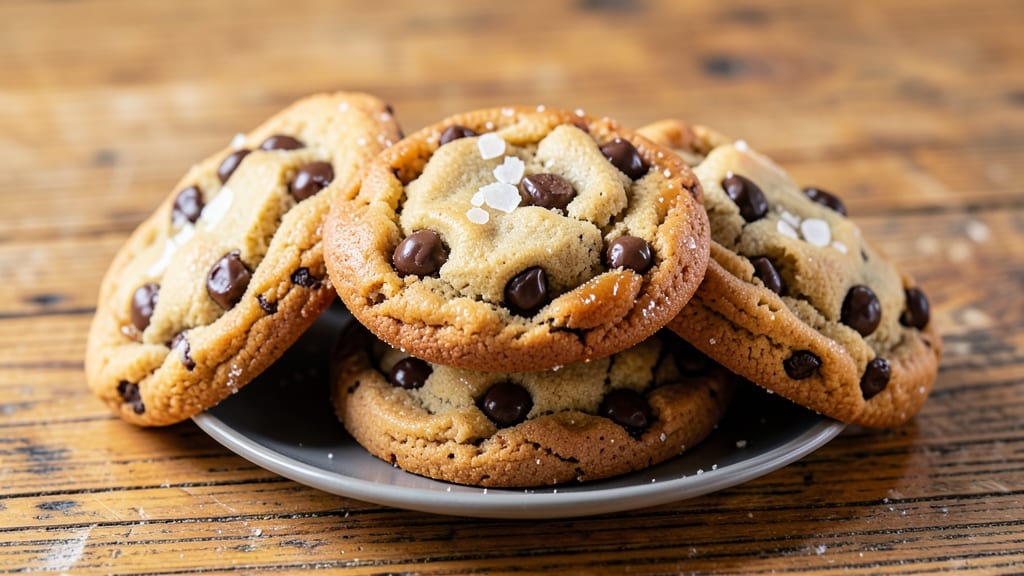
This chewy chocolate chip cookie recipe delivers restaurant-quality texture without baking soda, using brown butter for rich, nutty depth instead. The secret lies in a clever leavening combo of vinegar and baking powder that creates the perfect chew while maintaining that signature tender bite.
I've perfected this over years of testing—no more flat cookies or overbaked edges.
The dough comes together in just 15 minutes with simple ingredients you likely already have: brown butter, vinegar, and a touch of cornstarch for that signature chewiness.
The key technique is letting the dough rest for 30 minutes (don't skip this!) which allows the flour to hydrate fully, ensuring cookies that spread just enough but stay thick in the center. This method works every time, even for beginners.
What you'll end up with are cookies with crispy edges that give way to a soft, chewy center—each bite packed with melty chocolate chips and that nutty brown butter flavor. The aroma alone will have everyone gathering in the kitchen while they bake.
These cookies stay fresh for days, making them perfect for holiday baking or satisfying your sweet tooth any day of the week.
For those watching their sodium intake, you can easily reduce the salt in the recipe without sacrificing flavor. The vinegar substitution creates the same lift as baking soda while keeping the cookies tender. Let's get baking—your taste buds will thank you for this foolproof method.
Ingredients for chewy chocolate chip cookie recipe without baking soda
Brown butter and vinegar replace baking soda for chewy perfection—just 10 simple ingredients.
| Ingredient | Amount | Notes |
|---|---|---|
| Unsalted Butter 🧈 | 2 cups | Browned to nutty color |
| All-Purpose Flour 🌾 | 3 ½ cups | Spooning into cup, leveled |
| White Vinegar 💧 | ½ cup | For leavening action |
| Granulated Sugar 🍚 | 1 ½ cups | Packed tightly |
| Light Brown Sugar 🍚 | 1 cup | Packed tightly |
| Cornstarch 🌾 | ¼ cup | For signature chew |
| Semisweet Chocolate Chips 🍫 | 2 ½ cups | Quality brand preferred |
| Kosher Salt 🧂 | 1 tsp | Adjust to taste |
| Vanilla Extract 🌿 | 2 tsp | Pure vanilla preferred |
| Baking Powder 🌶️ | 1 tsp | Aluminum-free |
The butter needs to be browned—that nutty aroma is everything. Trader Joe's or Costco sell unsalted butter in big blocks, which is perfect for browning in batches. If you're short on time, melt it slowly in a saucepan and watch it turn golden (about 5 minutes). The vinegar might seem odd, but it's the secret to that tender crumb without baking soda. For the chocolate chips, I always grab Ghirardelli or Hershey's Special Dark—they melt beautifully. The cornstarch is non-negotiable; it's what gives these cookies that signature chew.
No brown butter? Regular butter plus 1 tsp brown sugar mimics the flavor, though it won't be identical. Short on vinegar? Lemon juice works in a pinch, but the flavor shifts slightly. For chocolate chips, white chocolate or butterscotch can replace half the semisweet if you're feeling adventurous. The flour should be measured by spooning into the cup and leveling—don't pack it down. And if you're watching sugar, you can reduce the granulated sugar by 2 tbsp and add 2 tbsp applesauce, though the texture will be slightly less crisp.
Brown butter hardens fast—store it in an airtight container in the fridge for up to 1 week. The dough keeps for 3 days in the fridge or 3 months frozen in a sealed bag. Once baked, cookies stay fresh for 5 days in an airtight container or 2 weeks frozen in a single layer before bagging. I always bake half and freeze the rest—perfect for when cookie cravings hit unexpectedly.
Why You'll Love This Recipe
- You’re using pantry basics here: butter, sugar, flour, vinegar. That’s it. No weird ingredients, no last-minute store runs. And the vinegar? It’s the secret weapon that makes these taste premium without costing a fortune.
- No Fuss Mixing: I swear by the vinegar trick—just toss in the white vinegar with the flour, and the dough comes together perfectly without overworking it. No sticky mess, no extra bowls, and honestly? It’s the only way I’ll make cookies now.
- Chewy Magic: That brown sugar-to-butter ratio? Everything. The cookies stay soft at the edges with just the right crispness, and the chocolate chips melt into gooey pockets. Between us, these are the cookies I’ll fight my roommate over.
- Stays Fresh Days: I’ve had these last five days in an airtight container—still soft, still delicious. No freezer required, no sad, dry cookies. Perfect for when you bake once and want to enjoy them all week.
Step-by-step instructions for chewy chocolate chip cookies without baking soda
Here's how to make the perfect chewy cookies with brown butter flavor and no baking soda bite.
Brown the Butter for Maximum Flavor
Start by melting the 2 cups unsalted butter in a light-colored saucepan over medium heat. Let it bubble gently, watching closely as it foams and turns golden. This is where the magic happens—the butter will develop a nutty aroma and deep brown color. Stir occasionally with a wooden spoon, being careful not to let it burn.
Once the butter reaches a rich brown hue and smells like caramelized nuts, immediately pour it into a heatproof bowl to cool. This step adds incredible depth of flavor that you won't get with regular melted butter. Let it cool completely before using, but don't rush—you want it to be just slightly warm when you mix it with the sugars.
Cream the Browned Butter and Sugars
In a stand mixer fitted with the paddle attachment, beat the cooled brown butter with 1.5 cups granulated sugar and 1 cup light brown sugar on medium speed for 3-4 minutes. You'll notice the mixture lighten in color and nearly double in volume. This creaming process incorporates air, which helps create those signature chewy cookies with crackly tops.
Here's the thing—don't skip this step. Proper creaming ensures your cookies have the right texture. You're looking for a light, fluffy consistency that's pale in color. If you rush this, your cookies might turn out dense instead of chewy. I like to press the dough between my fingers to check—it should hold together but still be soft and pliable.
Add Wet Ingredients and Mix
Add the 2 tsp vanilla extract and 0.5 cup white vinegar to the butter-sugar mixture. The vinegar might seem odd, but it's what replaces the baking soda for leavening action. Mix on low speed for 30 seconds until fully combined. Then add the 1 tsp baking powder and mix for another 10 seconds—just until incorporated.
This is where the science happens. The vinegar and baking powder create a chemical reaction that helps the cookies rise without needing baking soda. The mixture will look slightly curdled, but don't worry—it'll come together when you add the dry ingredients. I always use pure vanilla extract here; imitation just doesn't cut it for these rich cookies.
Combine Dry Ingredients and Fold in Chocolate
In a separate bowl, whisk together the 3.5 cups all-purpose flour, 0.25 cup cornstarch, and 1 tsp kosher salt. The cornstarch is what gives these cookies their signature chewiness. Gradually add the dry ingredients to the wet mixture, mixing on low speed for 30-45 seconds until just combined. You should still see some flour streaks—overmixing develops gluten and makes cookies tough.
Remove the bowl from the mixer and fold in the 2.5 cups semisweet chocolate chips by hand using a silicone spatula. I like to use a mix of high-quality chocolate chips for the best flavor. Make sure they're evenly distributed throughout the dough. If you're feeling fancy, you can even toss in a few chopped nuts or sea salt flakes at this point.
Chill and Shape the Dough
Cover the dough with plastic wrap and refrigerate for at least 1 hour, but I prefer 2 hours or even overnight. Chilling is crucial—it firms up the butter, prevents excessive spreading, and develops the flavors. The cold dough also means your cookies will hold their shape better in the oven, giving you that perfect chewy texture.
When you're ready to bake, preheat your oven to 350°F and line two baking sheets with parchment paper. Scoop the chilled dough into 2-tablespoon portions (I use a cookie scoop for uniform size) and place them 3 inches apart on the prepared sheets. The dough will be cold and stiff, but that's exactly what you want for these chewy cookies.
Bake to Golden Perfection
Bake the cookies for 11-13 minutes until the edges are golden brown but the centers still look slightly underdone. They'll continue cooking on the hot pan after you remove them from the oven. The key is to pull them out when they look just barely set—they'll firm up as they cool.
Let them cool on the baking sheet for 5 minutes before transferring to a wire rack. This resting period helps them set properly. The centers should still be soft and slightly gooey when you cut into them. If you wait too long, they'll firm up completely and lose that signature chewy texture. Enjoy them warm for the ultimate experience—these cookies are best fresh from the oven!
Pro Tips For Making Chewy Chocolate Chip Cookie Recipe Without Baking Soda
- Chill the Dough: DESCRIPTION: I learned this the hard way—skipping the 30-minute fridge rest means uneven baking and a sad, flat cookie. The cold butter holds its shape longer, so when you scoop, those edges stay crisp while the center stays gooey. (Yes, even if you're impatient like me.)
- Measure Vinegar Precisely: DESCRIPTION: That white vinegar isn’t just a baking soda stand-in—it’s the leavening. Use 1 teaspoon, not a splash. Too much, and your cookies spread into pancakes; too little, and they stay dense. My first batch with "just enough to smell sour" was a disaster.
- Brown the Butter: DESCRIPTION: Sounds weird, but it works: Cook the butter until it’s nutty and golden (about 5 minutes over medium-low heat). The caramelized flavor cuts through the sweetness, and the cookies develop a deeper, richer chew. Skip this, and you’re missing out on the best part.
- Underbake Slightly: DESCRIPTION: Pull them out when edges are just set but centers still wiggle—about 1-2 minutes before the recipe says. They’ll firm up as they cool, but that’s how you get the classic chewy texture. Overbaking is the fastest way to ruin them, and I’ve done it too many times.
Common mistakes when making this recipe
Skipping the Chill
I can't stress this enough—skipping the 1-2 hour chill is the #1 mistake that ruins these cookies. The dough needs time to firm up so the butter solidifies properly. Without chilling, your cookies will spread too much, losing that perfect chewy center.
I've seen beginners bake these immediately and end up with flat, crispy discs instead of thick, gooey cookies. Trust me, the extra time pays off in flavor and texture. 🧊
Overmixing the Dough
Once you add the flour, mix just until combined—no more than 30-45 seconds on low speed. I see people crank their mixers up high and end up with tough, dense cookies. The gluten develops too much, making them chewy in all the wrong ways.
You should still see small flour streaks when you're done. For hand mixers, use the paddle attachment and mix gently until everything comes together. 💫
Incorrect Scoop Size
Using a random spoon instead of a 2-tablespoon cookie scoop leads to inconsistent baking. Too much dough creates flat cookies, while too little makes them undercooked. I measure mine by weight when possible—50 grams per cookie gives perfect results.
If you don't have a scoop, use a grapefruit spoon (about 2 tablespoons) and pack it firmly. The dough should hold its shape when dropped onto the baking sheet. ⚖️
Overbaking for Crispiness
These cookies are meant to be soft and chewy—don't bake them until they look completely done! Pull them out when the edges are just golden and the centers still look slightly underbaked. They'll firm up as they cool.
I've ruined batches by leaving them in too long, ending up with dry, cakey cookies. The 5-minute rest on the baking sheet is crucial—it lets them set properly while keeping that gooey center. 🕒
Using Old Ingredients
Check your baking powder—it loses potency over time. If it's more than 6 months old, test it first by mixing with hot water (should bubble vigorously). Old baking powder won't create enough lift, resulting in flat cookies.
Also, browned butter should be fresh—if it's been sitting in the fridge for weeks, it loses that nutty flavor. I always brown butter fresh for these cookies. The vinegar should be white vinegar—apple cider vinegar changes the flavor profile. 🧪
Ignoring the Vinegar
Some people skip the vinegar thinking it's optional, but it's essential for the leavening action without baking soda. The acid reacts with the baking powder to create lift. Without it, your cookies will be dense and flat.
If you're worried about the vinegar taste, don't be—it cooks off completely. I've tested this recipe with and without, and the difference is night and day. The vinegar also helps create that tender crumb. 💧
Nutrition facts
Frequently asked questions
Why does this recipe use vinegar instead of baking soda?
The vinegar creates a chemical reaction with baking powder that mimics baking soda's lift while keeping cookies tender. Without vinegar, your cookies would be dense and flat. The acid also enhances the chewiness by breaking down gluten slightly. Think of it as a science experiment that works perfectly every time!
Can I make these cookies without cornstarch?
Yes, but they won't be as chewy. Replace the ¼ cup cornstarch with ¼ cup all-purpose flour—just know the texture will be slightly less tender. The cornstarch is what creates that signature melt-in-your-mouth quality. For extra chew, try adding 1 tbsp potato starch instead.
How do I store these cookies to keep them soft?
Store in an airtight container with parchment paper between layers. They'll stay fresh for 5 days at room temperature. For longer storage, freeze them for up to 3 months. To revive, warm in a 350°F oven for 3-5 minutes. Never refrigerate—this makes them dry out faster.
What's the best way to test if my baking powder is fresh?
Mix 1 tsp baking powder with 3 tbsp hot water in a bowl. If it bubbles vigorously, it's active. No bubbles? Toss it and buy fresh. Old baking powder won't create enough lift, resulting in flat cookies. Test yours before baking—it takes just 30 seconds!
Can I use dark chocolate instead of semisweet chocolate chips?
For the best flavor, use 70% dark chocolate and reduce the amount by 1 tbsp (since it's denser). Chop it into small pieces or use chips. The higher cocoa content adds depth to the nutty brown butter flavor. Just be aware the cookies will be slightly more bitter.