
Desserts
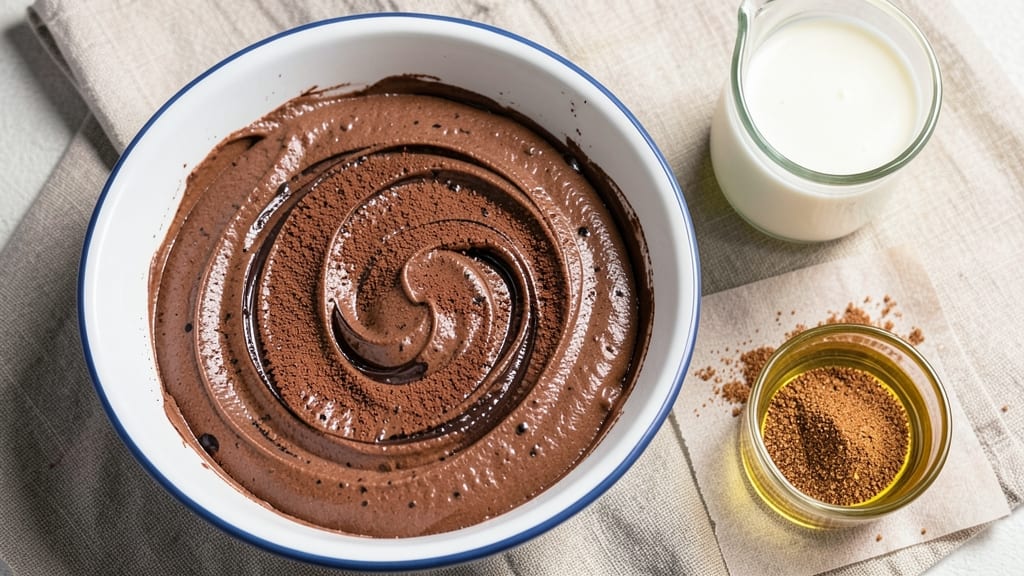
This cheap and easy chocolate cake delivers restaurant-quality moistness with just one bowl and minimal effort. The secret lies in a simple ratio of cocoa powder, vegetable oil, and buttermilk—no fancy ingredients or expensive equipment required.
I've baked this version dozens of times, and it never fails to impress, even with beginner bakers.
The recipe uses a one-bowl method that cuts prep time in half and eliminates mixing mistakes. Vegetable oil keeps the cake tender without butter, while a splash of vinegar in the buttermilk guarantees a light, airy crumb.
Baking takes just 25-30 minutes at 350°F, and the result is a rich, fudgy center with a perfect golden crust.
What makes this cake truly special is its foolproof reliability—no overmixing, no waiting for room-temperature ingredients, and no special techniques. The ingredients you already have in your pantry will give you a cake that's moist for days, not dry after one slice.
This is the kind of dessert that tastes homemade but requires none of the usual fuss.
Top with store-bought frosting or a dusting of powdered sugar for an instant crowd-pleaser. The best part? Each serving costs less than $0.50, making it perfect for parties, potlucks, or satisfying a chocolate craving without breaking the bank. Let's get baking!
Ingredients for cheap and easy chocolate cake
These pantry staples transform into a restaurant-worthy chocolate cake with zero fuss.
| Ingredient | Amount | Notes |
|---|---|---|
| All-Purpose Flour 🌾 | 2 cups | Sifted for even texture |
| Unsweetened Cocoa Powder 🍫 | ¾ cup | Natural or Dutch-processed |
| Granulated Sugar 🍚 | 1 ½ cups | White or light brown |
| Vegetable Oil 🫒 | ¾ cup | Light or canola preferred |
| Buttermilk 🥛 | 1 cup | Homemade or store-bought |
| White Vinegar 🍋 | 1 tbsp | For tangy buttermilk boost |
| Baking Powder 🧂 | 1 ½ tsp | Aluminum-free for best results |
| Baking Soda 🧂 | ½ tsp | Freshly opened |
| Salt 🧂 | ½ tsp | Fine sea salt preferred |
| Vanilla Extract 🌿 | 1 tsp | Pure alcohol-free if preferred |
| Hot Water 💧 | ½ cup | Just boiled and cooled |
| Powdered Sugar 🍚 | ½ cup | For dusting or simple glaze |
The cocoa powder is where the magic happens—Hershey's Special Dark or Dutch-processed gives the richest color and flavor. Grab the Hershey's brand at Walmart or Ghirardelli at specialty stores for that extra depth. Vegetable oil keeps this cake tender without butter, and I always reach for Crisco or Mazola from the grocery store's baking aisle. The buttermilk? If you don't have it, mix 1 cup milk plus 1 tbsp vinegar and let it sit for 5 minutes—it's a game-changer for that light, airy crumb. Pro tip: use Diamond Crystal baking powder if you're picky about your leavening.
No cocoa powder? Melted dark chocolate plus 1 tbsp flour works in a pinch, but the texture won't be quite the same. Running low on buttermilk? Plain yogurt thinned with milk does the trick. The vinegar is non-negotiable—it activates the baking soda for that perfect rise. Want to skip the powdered sugar? Chopped nuts or chocolate shavings make a stunning topping instead. This cake tastes even better the next day, so bake it a day ahead if you're prepping for a party. The hot water is a secret weapon—it blooms the cocoa powder for maximum flavor.
Store leftovers in an airtight container at room temperature for 3 days or in the fridge for 5 days. For longer storage, wrap tightly and freeze for up to 3 months. I always bake an extra batch—this cake reheats beautifully in the microwave for 10 seconds to revive that fresh-from-oven warmth. The powdered sugar topping? Just dust it on right before serving—it keeps the cake moist longer. This recipe makes two 8-inch cakes or one big 9x13 pan—your call!
Why You'll Love This Recipe
- Pantry Magic: I swear by this recipe because it uses what’s already in my cupboard—no fancy ingredients, just flour, cocoa, sugar, and buttermilk. Honestly, the first time I made it, I didn’t even measure the oil; I just eyeballed it, and it still turned out rich and moist.
- Rich Without Fuss: That cocoa powder and vegetable oil combo? It delivers a deep, velvety chocolate flavor without needing expensive add-ins. Between us, I’ve made this for birthdays, potlucks, and even just because—I don’t need a reason when it tastes this good.
- Leftovers? No Problem: This cake holds up beautifully for days, so I often bake a whole pan and stash slices in the fridge. The buttermilk keeps it tender, and the sugar crust stays perfect even after reheating. (Yes, even on a Tuesday night.)
- Budget-Friendly Indulgence: For under $5, I get a cake that feels like a treat, not a splurge. The cocoa powder cuts costs compared to box mixes, and the oil keeps it moist without needing butter. My wallet and my taste buds win.
Step-by-step instructions for single-bowl chocolate cake
Here's the foolproof method for a rich, moist chocolate cake with minimal effort and no mixing mistakes.
Combine Wet Ingredients for Perfect Texture
In a large mixing bowl, whisk together the 1.5 cups granulated sugar, 0.75 cup vegetable oil, and 1 cup buttermilk until fully combined. This creates a smooth base that ensures even distribution of moisture throughout the cake. The buttermilk adds that signature tang while keeping the texture tender.
Next, add the 1 tbsp white vinegar, 1 tsp vanilla extract, and 0.5 cup hot water to the wet mixture. The vinegar reacts with the baking soda later to create lift, while the hot water helps activate the cocoa powder for deeper flavor. Mix until everything is thoroughly incorporated—no lumps allowed. Here's the thing: the hot water might cause a slight separation, but don't worry. When you add the dry ingredients, everything will come together perfectly.
Sift and Fold Dry Ingredients Gently
In a separate bowl, sift together the 2 cups all-purpose flour, 0.75 cup unsweetened cocoa powder, 1.5 tsp baking powder, 0.5 tsp baking soda, and 0.5 tsp salt. Sifting prevents lumps and ensures even baking. The cocoa powder should be sifted separately first to avoid clumping—this makes all the difference in texture.
With the mixer on low speed, gradually add the dry ingredients to the wet mixture. Mix just until combined—about 30 seconds—and stop as soon as you see no more flour streaks. Overmixing develops gluten, which leads to a dense, tough cake. I know it seems weird, but trust me: this is where the magic happens for that tender crumb.
Bake for Even Moistness and Rich Flavor
Preheat your oven to 350°F and grease two 8-inch round cake pans or line them with parchment paper. Divide the batter evenly between the pans and smooth the tops with a spatula. Tap each pan gently on the counter to release any air bubbles—this prevents cracks and ensures even rising.
Bake for 30-35 minutes, or until a toothpick inserted into the center comes out clean with just a few moist crumbs clinging to it. The edges should be pulling away slightly from the pan, and the top should spring back when touched gently. Real talk: your oven might run hot, so start checking at the 25-minute mark to avoid overbaking. Overbaking is the fastest way to ruin that perfect moist texture we're after.
Cool and Finish with Powdered Sugar
Remove the cakes from the oven and let them cool in the pans for 10 minutes. Then transfer them to a wire rack to cool completely. This gradual cooling prevents cracking and maintains that tender crumb structure. While they cool, make a simple glaze by whisking together the 0.5 cup powdered sugar with 1-2 tablespoons of milk or water until smooth.
Once the cakes are completely cool, drizzle the glaze evenly over the top and sides. Let the glaze set for 5 minutes before slicing. The powdered sugar glaze adds a touch of sweetness and makes the cake look stunning—no fancy decorations needed. This cake tastes best served at room temperature, so let it sit for at least 30 minutes before serving to let all the flavors meld together perfectly.
Pro Tips For Making Cheap And Easy Chocolate Cake
- WHISK THE COCOA FIRST: I learned this the hard way—dumping cocoa powder straight into wet ingredients creates clumps that ruin the texture. Sift it in with the flour before adding liquid, then whisk the dry mix into the wet ingredients until smooth. That 30-second extra step guarantees a silky batter, not a lumpy mess.
- MEASURE OIL BY WEIGHT: Vegetable oil is sneaky—tablespoons vary wildly. Use a kitchen scale for 120 grams (about ½ cup + 1 tbsp) instead of eyeballing it. Too little oil = dry cake; too much = greasy, dense disaster. Trust me, your cake will thank you more than your measuring cups ever did.
- STOP WHEN CENTER’S JUST SET: The oven lies. Pull the cake out when the edges are pulled away from the pan but the center still jiggles slightly—about 1-2 minutes before the recipe says. Let it cool 10 minutes in the pan (yes, even if you’re impatient like me), then transfer. Overbaking turns rich chocolate cake into a sad, dry brick.
- SWAP BUTTERMILK FOR YOGURT: No buttermilk? Mix ¾ cup milk + 1 tbsp vinegar (or lemon juice) and wait 5 minutes—but that’s a hassle. Instead, use plain Greek yogurt (same tang, no waiting). It keeps the cake moist without adding extra fat, and you skip the last-minute scramble. Just chill the batter 10 minutes first to let flavors meld.
Pro cooking tips for cheap and easy chocolate cake
One-Bowl Magic
This recipe uses a single mixing bowl to cut prep time in half and eliminate extra cleanup. After combining wet ingredients, simply sift dry ingredients directly into the same bowl and mix just until combined.
I swear by this method—it saves me from washing an extra bowl every single time. The key is using a large mixing bowl (at least 5-quart capacity) to accommodate all ingredients without spills. 🌟
No Overmixing Secrets
Overmixing is the #1 reason homemade cakes turn out dense and tough. Mix the batter for no more than 30 seconds after adding dry ingredients—just until you see no more flour streaks. I use a hand mixer on low speed (around speed 2) to avoid developing gluten.
If you're mixing by hand, use a spatula to gently fold instead of stirring vigorously. Trust me, the cake will thank you with that perfect tender crumb.
Hot Water Hack
The ½ cup hot water in this recipe isn't just for hydration—it activates the cocoa powder for maximum flavor bloom. Bring water to a full boil, then cool it completely before adding to the batter.
This simple step makes your cake taste richer and more chocolatey without needing expensive ingredients. Pro tip: If you're short on time, use hot coffee instead of water—it adds an amazing depth of flavor that pairs perfectly with chocolate. ☕
Vinegar's Hidden Role
The 1 tablespoon white vinegar might seem odd, but it's a game-changer for texture. It reacts with the baking soda to create extra lift while adding a subtle tang that balances the sweetness.
Don't skip this step—it's what gives this cake that light, airy crumb that keeps it moist for days. For a milder taste, you can substitute with lemon juice, but vinegar gives the most reliable results.
I keep a bottle of white vinegar in my pantry specifically for baking—it's worth the small investment.
Baking Time Troubles
Ovens vary wildly, so start checking your cake at the 25-minute mark—even if the recipe says 30-35 minutes. A toothpick should come out with moist crumbs (not wet batter) and no raw flour.
If your oven runs hot, cover the pans loosely with aluminum foil after 20 minutes to prevent over-browning. I've learned this the hard way—overbaking turns a perfect cake into a dry brick in seconds.
For extra insurance, place a pan of water on the lower oven rack to create steam and ensure even moisture throughout.
Room-Temp Shortcut
No need to let eggs or oil sit at room temperature—this recipe works perfectly with cold ingredients. The buttermilk's natural acidity and the hot water activation compensate for any temperature differences.
However, if you have time, letting the cocoa powder and flour sit at room temperature for 10 minutes before sifting helps prevent lumps. This is especially helpful if your kitchen gets chilly. The cake will still turn out great either way, but this small step makes mixing even smoother. 💫
Nutrition facts
Frequently asked questions
Can I make this cake without buttermilk?
Mix 1 cup milk with 1 tablespoon white vinegar or lemon juice and let it sit for 5 minutes to make a quick buttermilk substitute. This keeps the cake's signature tang and moisture without needing to buy extra ingredients.
Why does my cake turn out dense instead of moist?
Overmixing is the #1 culprit. Mix the batter for only 30 seconds after adding dry ingredients—just until combined. Also, check your baking time: the cake should pull away from the pan edges but still have moist crumbs on a toothpick. Overbaking dries it out fast.
Can I use melted butter instead of vegetable oil?
Yes, but the texture will be slightly different. Use ½ cup melted butter (cooled to room temperature) instead of oil, but reduce the buttermilk to ¾ cup to maintain moisture balance. The cake will still be delicious, just with a richer flavor.
How do I make this cake in a 9x13 pan?
Use the same batter but bake in a 9x13-inch pan for 30-35 minutes at 350°F. Reduce the baking time by 5 minutes since the pan is thinner. Let it cool completely before slicing to prevent crumbling. This makes a perfect sheet cake for parties!
Can I add mix-ins like nuts or chocolate chips?
Yes, but fold them in gently after mixing—don't overmix. Use ½ cup chopped nuts or chocolate chips max. For best results, use mini chocolate chips (they distribute better) and fold them in during the final 10 seconds of mixing.