
Desserts
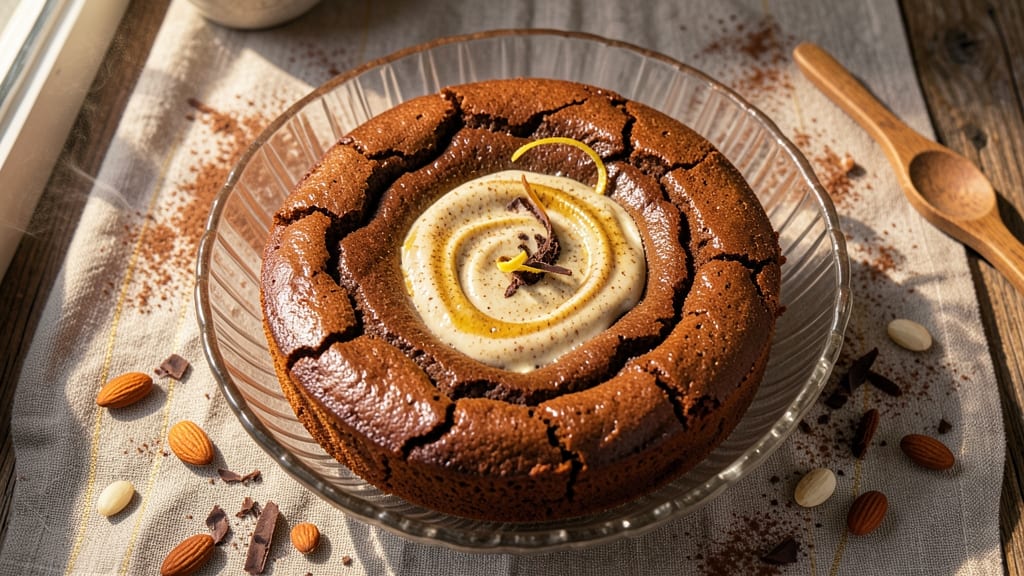
This carob chocolate cake recipe delivers all the depth of classic chocolate cake without the coffee undertones or dairy—perfect for vegans or anyone craving a sophisticated, naturally sweet dessert. The secret lies in carob powder's unique earthy richness, which pairs beautifully with warm spices like cinnamon and nutmeg, creating layers of flavor that surprise even chocolate purists.
Unlike traditional chocolate cakes that rely on cocoa powder, carob offers a subtler, slightly nutty profile that lets other ingredients shine. This recipe replaces eggs with flaxseed "eggs" and butter with coconut oil, ensuring the texture remains moist and tender while staying entirely plant-based.
The cake bakes up with a fudgy yet light crumb, ideal for slicing into perfect portions or frosting with a velvety carob glaze.
What sets this cake apart is its versatility—serve it as a rich afternoon treat, a decadent dessert after a holiday meal, or even as a birthday centerpiece. The natural sweetness of carob reduces the need for refined sugar, making it a healthier indulgence without sacrificing flavor.
Pair it with fresh berries or a dusting of powdered sugar for an elegant finish.
The frosting, made with coconut cream and a touch of vanilla, enhances the cake's natural depth while keeping it light enough to complement—not overpower—the carob's unique character. Once you try this recipe, you'll never reach for cocoa powder again. Let's get baking!
Ingredients for carob chocolate cake
Rich carob powder and warm spices create a decadent vegan cake with natural sweetness and fudgy texture.
| Ingredient | Amount | Notes |
|---|---|---|
| All-Purpose Flour 🌾 | 2 cups | Sifted for even texture |
| Carob Powder 🍫 | ½ cup | High-quality, unsweetened |
| Granulated Sugar 🍚 | 1 ½ cups | Organic preferred for purity |
| Coconut Oil 🥥 | 1 cup | Melted, not solid |
| Unsweetened Almond Milk 🥛 | 1 cup | Room temperature preferred |
| Ground Flaxseed 🌰 | 3 tbsp | Freshly ground for binding |
| Vanilla Extract 🌿 | 1 tbsp | Pure Madagascar preferred |
| Baking Soda 🧂 | 1 tsp | Pure, no aluminum |
| Salt 🧂 | ½ tsp | Fine sea salt preferred |
| Ground Cinnamon 🌿 | 1 tsp | Freshly ground for warmth |
| Ground Nutmeg 🌿 | ½ tsp | Freshly grated preferred |
| Coconut Cream 🥥 | 1 cup | Chilled overnight for frosting |
| Powdered Sugar 🍚 | 1 ½ cups | Sifted for smooth frosting |
| Fresh Blueberries 🫐 | 1 cup | Optional garnish |
Carob powder is the star—look for high-quality, unsweetened varieties at health food stores like Whole Foods or Sprouts. The difference between carob and cocoa is striking: carob has a subtler, slightly nutty profile without coffee undertones. Freshly ground flaxseed is non-negotiable for binding; buy whole flaxseeds and grind them yourself for maximum effectiveness. Coconut oil should be melted but not hot—just warm enough to blend smoothly. For the frosting, chill the coconut cream overnight to achieve that perfect whipped texture. The powdered sugar should be sifted to avoid lumps in the final frosting.
No carob powder? Substitute with 1/4 cup less cocoa powder plus 1/2 cup extra sugar—though you'll lose that unique carob depth. Running short on coconut oil? Avocado oil works equally well for a neutral flavor. The almond milk can be swapped for any plant-based milk, though oat milk adds creaminess. Fresh blueberries aren't essential but add a lovely pop of color—frozen works in a pinch if fresh aren't available. For the spices, Mexican cinnamon has more warmth than regular, and pre-ground nutmeg loses potency quickly, so consider buying whole nutmeg to grind fresh.
Store carob powder in an airtight container in a cool, dark place—it keeps for up to 12 months. The cake batter can be prepped a day ahead and refrigerated; let it sit at room temperature for 30 minutes before baking for even results. The frosting should be made fresh but can be stored in the fridge for 3-4 days. For longer storage, freeze the cake layers separately—wrap tightly in plastic wrap and assemble after thawing. The blueberries can be tossed in a bit of lemon juice to prevent browning if prepping ahead.
Why You'll Love This Recipe
- No Mixer Needed: I swear by this recipe when I’m in a rush—just whisk the dry ingredients (flour, carob, sugar) in a bowl, melt the coconut oil, and stir in the almond milk. No electric mixer, no fuss, and the batter comes together smoother than my usual chocolate cake.
- Rich Without Guilt: The carob powder gives it that deep, molasses-like cocoa taste—think dark chocolate but with a hint of earthiness. Honestly, it’s the kind of flavor that makes you forget it’s actually a healthier option (and it pairs perfectly with a dollop of coconut yogurt).
- Crowd-Pleaser Any Day: Between us, this cake is my go-to for birthdays, potlucks, or even a "just because" treat. The texture stays moist for days, and since it’s dairy-free, it sneaks onto vegan tables without a second thought—no one ever asks what’s in it.
- Budget-Friendly Indulgence: Coconut oil and almond milk might sound fancy, but they stretch further than butter and milk. I’ve made this cake for eight people for under $10, and the leftovers? Still delicious three days later if you store them right. (Yes, even on a Tuesday night.)
Step-by-step instructions for carob chocolate cake
Here's how to create a rich, velvety carob cake with balanced sweetness and depth.
Prepare the Flax Egg Substitute and Mix Dry Ingredients
In a small bowl, whisk together the 3 tablespoons ground flaxseed with 3 tablespoons unsweetened almond milk. Let this mixture sit for 5 minutes until it thickens into a gel-like consistency—this acts as our egg substitute. Meanwhile, in a medium bowl, sift together the 2 cups all-purpose flour, 0.5 cup carob powder, 1 teaspoon baking soda, 0.5 teaspoon salt, 1 teaspoon ground cinnamon, and 0.5 teaspoon ground nutmeg. Whisk gently to combine, ensuring no lumps remain in the dry ingredients.
This step is crucial for creating a light, airy texture. The carob powder needs to be thoroughly incorporated to avoid any gritty pockets in the final cake. I like to use a fine-mesh sieve for the flour to prevent clumping, especially since we're working with coconut oil instead of butter.
Combine Wet Ingredients and Incorporate Dry Mixtures
In a separate large bowl, melt the 1 cup coconut oil in a microwave-safe bowl for 30-second intervals, stirring between each, until completely liquid but not hot. Add the 1.5 cups granulated sugar and mix until fully combined. Stir in the 1 tablespoon vanilla extract and the flax egg mixture, blending until smooth and homogeneous.
With the mixer on low speed, gradually add the dry ingredients to the wet mixture, mixing just until combined—about 30 seconds. Avoid overmixing, as this can develop gluten and make the cake dense. The batter should be thick but pourable. If it appears too thick, add 1 tablespoon more unsweetened almond milk to achieve the right consistency.
Fold in Blueberries and Prepare the Pan
Gently fold in the 1 cup fresh blueberries using a spatula, being careful not to crush them. This preserves their juiciness and prevents them from sinking to the bottom of the cake. Preheat your oven to 350°F and grease an 8-inch round cake pan with coconut oil, then line the bottom with parchment paper for easy removal.
Here's the thing—blueberries can be tricky. Tossing them in a bit of flour before folding helps prevent them from bleeding too much into the batter. If you're concerned about them sinking, you can lightly dust them with 1 tablespoon of the all-purpose flour before adding them to the batter.
Bake Until Golden and Springy
Pour the batter into the prepared pan and smooth the top with a spatula. Bake for 30-35 minutes, or until a toothpick inserted into the center comes out clean and the edges are golden brown. The cake should also spring back slightly when pressed gently in the center—this indicates it's fully baked.
Don't overbake! Carob cakes can dry out quickly, so keep a close eye on them after the 25-minute mark. If the top browns too quickly, tent the pan with aluminum foil to prevent over-browning while allowing the center to finish cooking.
Prepare and Frost the Carob Cake
While the cake is still warm, prepare the frosting by beating the 1 cup chilled coconut cream with the 1.5 cups powdered sugar until smooth and fluffy. This should take about 2 minutes with a hand mixer. Once the cake has cooled completely, spread the frosting evenly over the top and sides, creating a smooth finish.
For a professional touch, I like to pipe the frosting onto the cake using a pastry bag fitted with a star tip. This creates a decorative swirl pattern that looks stunning. If you don't have a pastry bag, a spatula works just fine for spreading. Serve the cake at room temperature for the best texture and flavor.
Pro Tips For Making Carob Chocolate Cake
- Melt the Oil Slowly: I learned this the hard way—dumping coconut oil straight from the fridge into warm liquid turns it into greasy blobs. Instead, melt it first (microwave in 20-second bursts, stirring each time) until fully liquid, then let it cool just enough to warm your mix, not scald it. Cold oil makes the batter seize up like glue.
- Sift the Carob Twice: Carob powder is heavier than cocoa, and clumps are the enemy of even texture. After measuring, give it a quick sift through a fine-mesh sieve, then sift again into your dry ingredients. This keeps your cake light and prevents those dense, gummy patches—especially if your carob is on the finer side.
- Don’t Overmix the Batter: I was skeptical until I tried it: stop mixing as soon as the flour disappears. Overworking the batter introduces too much air, which collapses in the oven, leaving you with a cake that’s dense and dry. Two minutes max with a spatula—just until the wet and dry ingredients play nice.
- Test for Doneness Early: Carob cakes can look underdone but still be set. After 25 minutes, poke the center with a toothpick—if it comes out clean but the cake still jiggles slightly, it’s done. Ovens run hot, and carob’s deeper color masks moisture. Pull it when the edges are set but the middle has just lost its wobble.
Flavor customization for carob chocolate cake
Sweetness Adjustments
Carob’s natural sweetness is milder than cocoa, so you can reduce sugar by ¼ cup if your carob powder is extra sweet. For a more decadent cake, add 2 tablespoons maple syrup to the wet ingredients—it enhances carob’s earthy notes beautifully.
If using raw carob chips (instead of powder), reduce sugar by ½ cup since they’re already sweet. 🍯
Spice Variations
Swap cinnamon for 1 teaspoon cardamom for a Middle Eastern twist, or add ½ teaspoon espresso powder to deepen the chocolate-like flavor without coffee bitterness. For warmth, try ½ teaspoon ginger—it pairs surprisingly well with carob’s nutty undertones. Always toast whole spices briefly for maximum aroma.
Texture Tweaks
For a denser, fudgy cake, replace ½ cup flour with ½ cup cocoa powder (but lose carob’s unique profile). For a lighter crumb, fold in ½ cup whipped coconut cream before baking.
If your cake rises too much, reduce baking soda to ½ teaspoon—carob’s natural alkalinity can make cakes climb higher than expected.
Frosting Alternatives
Swap coconut cream for cashew cream (blend 1 cup soaked cashews with ½ cup water) for a richer frosting. For a glossy finish, add 1 teaspoon lemon juice to stabilize the whipped cream.
A dark chocolate ganache (melt ½ cup vegan chocolate with ¼ cup coconut cream) adds contrast—just let it cool slightly before spreading.
Flavor Boosters
Zest of 1 orange brightens the cake’s earthiness, while 1 teaspoon orange extract adds depth without moisture. For a nutty crunch, fold in ½ cup toasted pecans or walnuts before baking. A pinch of sea salt (on the frosting) enhances carob’s natural sweetness—trust me, it works magic. ✨
Seasonal Adaptations
In winter, add ½ teaspoon vanilla bean paste (instead of extract) for warmth. For spring, fold in ¼ cup raspberries (tossed in flour) and top with mint leaves.
In summer, reduce sugar by 2 tablespoons and add 1 teaspoon almond extract for a lighter, fruit-forward cake. Each season transforms the same base recipe completely. 🌸
Nutrition facts
Frequently asked questions
What makes carob chocolate cake different from regular chocolate cake?
Carob has a milder, nutty flavor without coffee undertones, creating a smoother, earthier taste. Unlike cocoa, it's naturally sweet, so you'll use less sugar (about ¼ cup less) and get a lighter, slightly denser crumb. The frosting also benefits from carob's unique profile—try coconut cream for a naturally rich finish!
Can I make this cake without flaxseed?
Yes! For every 1 tablespoon flaxseed, use 1 tablespoon chia seeds or 1 tablespoon ground psyllium husk mixed with 3 tablespoons water. Another option is ½ cup unsweetened applesauce (reduce almond milk by 2 tablespoons to balance moisture). The texture will be slightly different but still delicious.
Why did my carob cake turn out dry?
Overbaking is the most common cause—carob cakes dry out faster than cocoa cakes. Check at 25 minutes and bake until a toothpick comes out clean. Also, ensure your coconut oil is melted but not hot, and don't overmix the batter. For extra moisture, brush the cooled cake with 1 tablespoon almond milk before frosting.
How can I make this cake gluten-free?
Replace the all-purpose flour with a 1:1 gluten-free baking flour blend (like Bob's Red Mill). For best results, add ½ teaspoon xanthan gum to the dry ingredients. The texture will be slightly denser, but the flavor remains rich. Test your blend first—some require extra liquid (add 1-2 tablespoons almond milk if needed).
Can I use carob chips instead of carob powder?
Yes! For 1 cup carob chips, blend them into a fine powder first (yield: ~½ cup powder). Reduce sugar by ½ cup since chips are pre-sweetened. The cake will have a slightly grainier texture but deeper carob flavor. For a smoother result, sift the powdered chips before mixing.