
Desserts
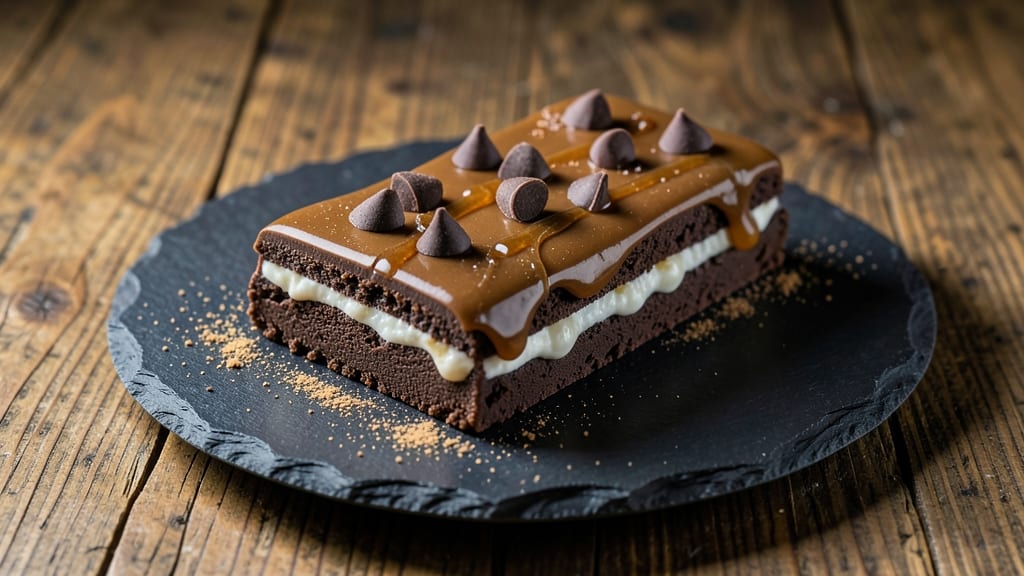
This cannabutter chocolate bar recipe delivers the perfect balance of fudgy texture and subtle cannabis infusion—ideal for those seeking a refined, elevated treat.
The secret lies in carefully infusing vegan butter with precise cannabis measurements, then layering it with tempered chocolate for a rich, velvety finish that melts in your mouth. Every step is designed for consistency, ensuring a smooth, professional result without guesswork.
The process begins with creating cannabutter—where decarboxylated cannabis flowers are slowly melted into vegan butter for even potency distribution. This infused butter forms the creamy, crumbly base of the bars, while high-quality dark chocolate adds depth and stability.
For texture lovers, optional additions like crushed nuts or seeds can be folded in before setting, creating satisfying contrasts with each bite.
What sets these bars apart is their professional-grade texture: a crisp outer shell with a fudgy, almost caramel-like center, all thanks to precise tempering techniques. The result is a treat that’s both indulgent and balanced, with the cannabis infusion enhancing the chocolate’s natural richness rather than overpowering it.
Perfect for gifting, sharing, or enjoying solo with a warm beverage.
Safety and legality are critical—always measure THC content carefully, store securely, and check local regulations before enjoying. With these bars, you’re not just making a dessert; you’re crafting an experience that combines precision, indulgence, and mindful relaxation in every bite.
Ingredients for cannabutter chocolate bar
Twelve ingredients for a decadent, cannabis-infused chocolate experience with perfect fudgy layers and velvety finish.
| Ingredient | Amount | Notes |
|---|---|---|
| Decarboxylated Cannabis Flowers 🌿 | ¼ oz | High-THC strain, finely ground |
| Vegan Butter 🧈 | 1 cup | Unsalted, full-fat, plant-based |
| Dark Chocolate Chips 🍫 | 1 ½ cups | 70% cacao, vegan-certified |
| Coconut Oil 🥥 | ½ cup | Refined, for tempering |
| Almond Milk 🥛 | ¼ cup | Unsweetened, for smooth texture |
| Maple Syrup 🍁 | 2 tbsp | Grade B for depth of flavor |
| Vanilla Extract 🌸 | 1 tsp | Pure, alcohol-free preferred |
| Sea Salt 🧂 | ½ tsp | Fine grain, for finishing |
| Crushed Hazelnuts 🌰 | ½ cup | Optional, for crunch |
| Sesame Seeds 🌻 | 1 tbsp | Optional, for texture contrast |
| Cocoa Powder 🍫 | 2 tbsp | Unsweetened, for dusting |
| Vegan Dark Chocolate 🍫 | ½ cup | Melted, for coating |
The cannabis flowers are non-negotiable—look for high-THC strains like Gorilla Glue or Blue Dream, and decarboxylate them first (240°F for 45 minutes) to activate the THC. Local dispensaries often sell pre-ground options, but grinding your own ensures even potency. The vegan butter should be cold-pressed and unsalted—brands like Earth Balance or Miyoko’s work perfectly. For the chocolate, 70% cacao or higher delivers that deep, bittersweet base without overpowering the cannabis. I always grab Enjoy Life brand chips for guaranteed vegan certification.
No cannabis? Skip the infusion and use the butter as-is for classic chocolate bars. Running low on maple syrup? Agave nectar at a 1:1 ratio works in a pinch, though it lacks the caramel notes. Prefer a different nut? Toasted pecans or walnuts add their own unique crunch. The coconut oil is key for tempering—refined version has no coconut flavor, which is crucial here. For extra richness, swap half the almond milk for coconut cream. The cocoa powder should be Dutch-processed for smoothness, like Hershey’s Special Dark or Valrhona.
Store finished bars in an airtight container between layers of parchment paper to prevent sticking. They keep for 2 weeks at room temperature or 3 months in the freezer. For gifting, wrap individually in cellophane and tie with a ribbon. The cannabis infusion mellows slightly over time, so freshly made bars pack the most punch. Always label clearly—these aren’t your average chocolate bars!
Why You'll Love This Recipe
- Three-Ingredient Magic: I swear, the process is that simple—melt the vegan butter and coconut oil together, fold in your decarboxylated cannabis, then stir in the chocolate chips. No fancy equipment, no stress, just you and a saucepan doing the heavy lifting.
- Rich, Smooth High: Between us, the dark chocolate and almond milk create this velvety, slightly tangy base that carries the cannabutter so well. It’s not overpowering—just a deep, satisfying bite that lingers (in the best way).
- Stash for Later: These bars keep like a dream in the fridge for a week or freeze for a month. Honestly, I always make a double batch because I’ll forget I have them, then find them in the back of the pantry and think, "Wait, why did I save these?"
- Budget-Friendly Bliss: You’re not just paying for the chocolate—you’re getting a whole batch of edibles for the cost of a single pre-made treat. Plus, the almond milk and coconut oil stretch the cannabutter further than you’d think. (Yes, even on a Tuesday night.)
Step-by-step instructions for cannabutter chocolate bars
Creating these decadent cannabutter chocolate bars requires patience and precision—every step builds the perfect balance of fudgy texture and subtle infused richness.
Infuse the Cannabutter Base
Melt the 1 cup vegan butter in a small saucepan over low heat, stirring constantly until completely liquid. Remove from heat and immediately stir in the 0.25 oz decarboxylated cannabis flowers. Return to low heat and let simmer gently for 15-20 minutes, stirring frequently to prevent burning. The mixture should develop a golden hue and a subtle herbal aroma.
Strain the infused butter through a fine-mesh sieve into a heatproof bowl, pressing gently with a spoon to extract every last drop of oil. Discard the plant matter—this ensures a smooth, clean texture. Let the cannabutter cool slightly to room temperature before proceeding. If it thickens too much, gently reheat it over warm (not hot) water to restore fluidity.
Create the Fudgy Chocolate Layer
In a separate heatproof bowl, combine the 1.5 cups dark chocolate chips, 0.5 cup coconut oil, and 0.25 cup almond milk. Melt over a double boiler or in short bursts in the microwave, stirring until completely smooth. Remove from heat and whisk in the 2 tbsp maple syrup, 1 tsp vanilla extract, and 0.5 tsp sea salt. Let the mixture cool to 100°F—it should thicken slightly but remain pourable.
Gently fold in the cooled cannabutter until fully incorporated. For extra texture, stir in the 0.5 cup crushed hazelnuts and 1 tbsp sesame seeds. The batter should be thick but spreadable—if it’s too stiff, warm it gently to loosen. Line an 8x8-inch baking dish with parchment paper, leaving an overhang for easy removal, and pour in the chocolate mixture. Use a spatula to smooth the top evenly.
Assemble and Chill for Stability
Melt the 0.5 cup vegan dark chocolate separately for the topping. Once the fudgy layer is set (about 15-20 minutes in the fridge), spread the melted dark chocolate evenly over the top. Sprinkle with an additional 1 tbsp cocoa powder for a marbled effect. Tap the baking dish gently on the counter to release any air bubbles.
Refrigerate for at least 2 hours or until fully firm—this ensures clean slices and prevents melting. For best results, chill overnight. The bars should hold their shape when lifted from the parchment, with a glossy sheen and crisp edges. If the chocolate top feels too soft after chilling, return it to the fridge for another 30 minutes before slicing.
Slice and Finish
Remove the baking dish from the fridge and let the bars sit at room temperature for 5-10 minutes to soften slightly—this makes slicing easier without melting. Use a sharp knife dipped in hot water and wiped dry between cuts to create 12 even squares. Dust the tops with an extra pinch of sea salt and cocoa powder for contrast.
Serve immediately for the best experience, as the cannabutter’s potency peaks when fresh. Store any leftovers in an airtight container in the fridge for up to 1 week, or freeze for up to 3 months. These bars deliver a velvety, fudgy bite with a slow-release infusion—perfect for sharing or savoring solo.
Pro Tips For Making Cannabutter Chocolate Bar
- STRAIN THE CANNABUTTER: Don’t skip filtering the infused vegan butter—those tiny plant bits make the final bars grainy no matter how well you melt them. Use a fine-mesh sieve or cheesecloth, and press gently with a spoon. (Yes, even if you’re impatient like me.)
- MELT CHOCOLATE SLOWLY: Dark chocolate seizes when it hits 118°F (48°C), and once it does, you’re stuck with a lumpy mess. Heat the coconut oil and almond milk first, then whisk the chocolate in off the heat—it’ll melt smoothly without scorching. I learned this the hard way after throwing out three batches of sad, grainy bars.
- CHILL THE MIX BEFORE SETTING: Pouring warm cannabutter-chocolate into molds too soon leads to oily, uneven bars that won’t set properly. Let the mixture cool to just above body temperature (around 90°F/32°C) before pressing it into silicone molds. This isn’t the prettiest method, but it’s the only way to get clean breaks when unwrapping.
- USE A DOUBLE BOILER FOR INFUSION: Simmering the decarboxylated cannabis in vegan butter on direct heat risks burning the butter and losing potency. A double boiler keeps the temperature steady at 170–180°F (77–82°C) for 2–3 hours—no babysitting required. (Your future self will thank you for not turning the stove into a smoke show.)
Regional styles of cannabutter chocolate bar
Pacific Northwest Style
In the Pacific Northwest, these bars often feature local maple syrup from Washington or Oregon, adding a deeper caramel note that complements the cannabis infusion beautifully. I like using black sesame seeds instead of white for a nuttier crunch, inspired by Asian fusion trends in Seattle.
The region’s love for dark chocolate means 85% cacao is common—it balances the herbal notes without overpowering. For a true PNW twist, fold in crushed hazelnuts and a pinch of fleur de sel for a briny contrast. 🌿
Southern California Fusion
Southern California’s cannabis culture loves spicy-sweet combinations, so I add ½ tsp cayenne pepper to the chocolate mixture for a subtle kick. The warm climate also makes coconut oil a staple—swap the almond milk for coconut cream to enhance the tropical vibe.
Top with toasted coconut flakes and a sprinkle of orange zest for a citrusy brightness. This version pairs perfectly with iced matcha lattes or sparkling water with lime. 🌶️
Midwest Homestyle Twist
The Midwest prefers rich, buttery textures, so I boost the cannabutter infusion by adding 1 tbsp peanut butter to the fudgy layer for a nostalgic flavor. A dusting of powdered sugar on top mimics classic chocolate cake bars, while crushed peanuts add crunch.
For a heartier version, fold in chopped walnuts and a hint of cinnamon. These bars feel like a cozy dessert—ideal for sharing at gatherings. 🥜
European Dark Chocolate Style
European chocolate lovers swear by high-percentage cacao (90% or more) for a bitter, intense profile that stands up to cannabis. Use Dutch-processed cocoa powder for a smoother finish and replace maple syrup with honey for floral depth.
Top with flaky sea salt and crushed pistachios for a Mediterranean touch. This version is less sweet but packs a bold, sophisticated punch—perfect for pairing with espresso or red wine. 🍷
Vegan Baker’s Customization
For a nut-free option, replace hazelnuts with pumpkin seeds or sunflower seeds for texture. Swap almond milk for oat milk to keep it allergy-friendly while maintaining creaminess. The key is balancing the fat content—add 1 tbsp extra coconut oil if the mixture seems too dry.
This version ensures everyone at the table can enjoy the bars safely. 🌱
Nutrition facts
Frequently asked questions
How do I know if my cannabis is properly decarboxylated?
Decarboxylation is complete when the cannabis changes from green to a golden brown color and develops a strong, earthy aroma—this usually takes 45 minutes at 240°F. Test by grinding a small amount: if it smells herbal and slightly sweet (not raw or grassy), it's ready. Over-decarboxylating can burn the plant matter, so keep an eye on the timer!
Can I use regular butter instead of vegan butter for cannabutter?
Technically yes, but vegan butter is preferred because it's lactose-free and won't curdle when combined with chocolate. If you must use regular butter, reduce the coconut oil to 0.25 cup to balance the fat content. Keep in mind the final product won't be fully vegan, and the texture may vary slightly.
Why did my chocolate bars turn grainy instead of smooth?
Graininess usually happens when chocolate cools too quickly or contains too much fat from the cannabutter. To fix this, melt your chocolate with coconut oil (not water) over a double boiler, and let it cool to 100°F before adding the cannabutter. Stir gently to avoid incorporating air bubbles, which also cause texture issues.
How strong will these bars be, and how do I control the potency?
The potency depends on your starting cannabis—0.25 oz of high-THC flower typically yields bars with 5-10mg THC per serving. To control strength, use a digital scale for precise measurements, and start with less cannabis if you're new to edibles. Always label your creations clearly and store them securely.
Can I make these bars without chocolate for a different flavor?
Swap the chocolate for caramelized coconut milk (for tropical flavors) or nutella (for hazelnut lovers). The key is maintaining the same fat-to-liquid ratio—replace chocolate with 1.5 cups of alternative base and adjust sweetness with maple syrup or honey. The cannabutter infusion will still work beautifully!