
Desserts
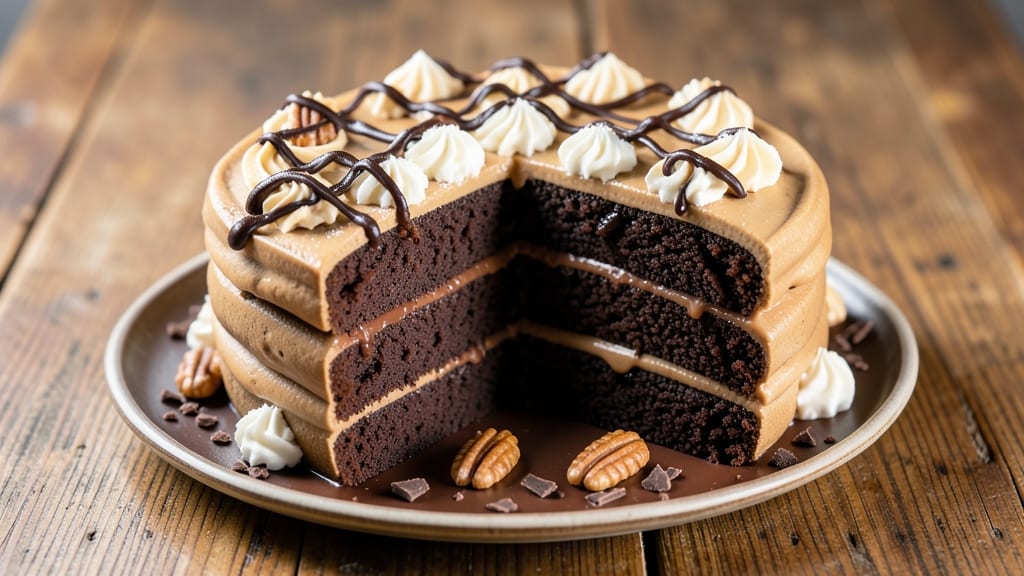
This butter chocolate cake mix recipe transforms boxed convenience into restaurant-worthy layers with a secret weapon: rich butter that banishes dryness forever. 💛 The key lies in swapping oil for melted butter and adding sour cream—simple adjustments that create ultra-moist crumb and tender texture that defies boxed cake stereotypes.
What sets this recipe apart is the buttery frosting that mirrors the cake's depth, using softened butter and powdered sugar for a velvety finish.
Professional bakers know the difference between good cake and great cake often comes down to these small but critical upgrades—no special skills required, just attention to detail and patience during baking.
The result is a chocolate cake with layers so moist they'll make you question why you ever bought dry boxed versions. The frosting isn't just decoration—it enhances every bite with its rich, buttery flavor that complements the cake's natural sweetness without overpowering it.
Perfect for birthdays, celebrations, or satisfying chocolate cravings, this recipe delivers professional-quality dessert with minimal effort. The best part? You'll never go back to the dry, crumbly cakes of the past.
Ingredients for butter recipe chocolate cake mix
Six essential upgrades transform boxed cake mix into ultra-moist, restaurant-quality chocolate perfection.
| Ingredient | Amount | Notes |
|---|---|---|
| Chocolate Cake Mix (Boxed) 🍫 | 1 box | Any brand, unsweetened preferred |
| Unsalted Butter 🧈 | 1 cup | Melted, full-fat for richness |
| Sour Cream 🥛 | ½ cup | Full-fat for maximum moisture |
| Large Eggs 🥚 | 2 whole | Room temperature for even mixing |
| Vanilla Extract 🌿 | 1 tbsp | Pure, high-quality preferred |
| All-Purpose Flour 🌾 | ½ cup | For texture adjustment |
| Baking Soda 🧪 | ½ tsp | For enhanced rise |
| Salt 🧂 | ¼ tsp | Kosher or sea salt |
| Hot Water 💧 | 1 cup | For activating dry ingredients |
| Powdered Sugar 🍚 | 3 cups | For frosting, sifted |
| Unsalted Butter (Frosting) 🧈 | 1 cup | Softened, room temperature |
| Heavy Cream 🥛 | ½ cup | For extra richness |
| Dark Chocolate Chips 🍫 | 1 cup | For optional cake layer |
The butter makes all the difference—unsalted, full-fat is non-negotiable here. Land O'Lakes or Plugrá are my go-tos for their consistent quality. If you're using a boxed mix, check the ingredients first—some brands already contain oil, so you may need to reduce the butter slightly. The sour cream is equally critical; full-fat ensures maximum moisture, while low-fat versions will yield a denser crumb. For the frosting, European-style butter like President or Imperial has a higher fat content, creating a richer finish. Store butter in the fridge until ready to use, then let it soften naturally on the counter for 30-60 minutes—microwaving can cause uneven texture.
No sour cream? Plain Greek yogurt works at a 1:1 ratio, though the texture will be slightly tangier. Running short on butter? Coconut oil at 0.75 cup can substitute, but the flavor won't be identical. The vanilla extract should be pure—Nielsen-Massey or McCormick are reliable brands. For the frosting, powdered sugar is key; Domino or C&H brands sift smoothly and avoid clumping. If you prefer a more decadent frosting, add 1 tbsp cocoa powder to the powdered sugar mixture. The chocolate chips are optional but highly recommended—they melt beautifully into the cake batter during baking, creating pockets of molten chocolate in every bite.
Pre-mix the dry ingredients first—they need time to hydrate properly. Store the cake mix in an airtight container with a slice of bread to absorb moisture; it keeps for 3 months past the printed date. The frosting can be made 2 days ahead and stored in the fridge, then whipped briefly before use. For optimal freshness, bake the cake in two 9-inch pans—this ensures even baking and prevents overflow. Leftovers? Wrap tightly in plastic wrap and store at room temperature for 3 days or freeze for 2 months. The frosting freezes beautifully too, just thaw and re-whip.
Why You'll Love This Recipe
- No Mix-Up Moments: I swear by this recipe because it’s foolproof—just dump the cake mix, fold in softened butter and sour cream, and you’re golden. No measuring cups out, no guesswork. The butter makes it rich without being greasy, and the sour cream keeps it moist for days.
- Decadent Without Effort: That first bite? Pure chocolate bliss. The butter adds a velvety depth, while the sour cream gives it a tender crumb that’s dangerously addictive. Honestly, it tastes like a bakery cake—except you made it in 15 minutes.
- Weeknight Crowd-Pleaser: This is my go-to for birthdays, potlucks, or even a lazy Sunday. Double the batter, bake in two pans, and you’ve got dessert covered—no one will question why it’s so good. (Yes, even on a Tuesday night.)
- Budget Luxury Leftovers: A boxed mix feels cheap, but the butter and sour cream upgrade it to restaurant-quality—for a fraction of the cost. Plus, it stays fresh for days, so you can bake once and enjoy slices all week. My secret weapon for stress-free dessert.
Step-by-step instructions for ultra-moist butter chocolate cake
Here's how to transform boxed mix into a decadent, ultra-moist cake with professional-level results.
🍳 Step 1: Prepare the Cake Batter with Wet Ingredients
Preheat your oven to 350°F and grease two 9-inch round cake pans with nonstick spray or softened butter, then line the bottoms with parchment paper. In a large mixing bowl, melt the 1 cup unsalted butter over low heat or in a microwave-safe bowl until completely liquid. Let it cool slightly for 2 minutes—it should be warm but not hot to the touch.
Add the 0.5 cup sour cream, 2 whole large eggs, and 1 tablespoon vanilla extract to the melted butter. Whisk vigorously for 1 minute until fully combined and slightly thickened. The mixture should be smooth with no visible streaks of butter. This step is crucial for creating that signature moist texture—the fat from the butter and sour cream will keep your cake tender.
👨🍳 Step 2: Mix Dry Ingredients and Combine
In a separate medium bowl, sift together the 1 box chocolate cake mix, 0.5 cup all-purpose flour, 0.5 teaspoon baking soda, and 0.25 teaspoon salt. This ensures even distribution of leavening agents and prevents lumps. Gradually pour the dry mixture into the wet ingredients while whisking continuously on medium speed for 2 minutes until just combined—you should see a thick, glossy batter with no dry spots.
For that extra decadent touch, gently fold in the 1 cup dark chocolate chips using a spatula. Be careful not to overmix—the batter should maintain its smooth consistency. If you're using a stand mixer, switch to low speed and mix for just 10 seconds to incorporate the chocolate. Overmixing develops gluten, which can make your cake dense rather than light and fluffy.
🥘 Step 3: Bake the Layers to Perfect Doneness
Divide the batter evenly between the prepared cake pans, filling each about ⅔ full. Pour 1 cup hot water into each pan—this activates the dry ingredients and creates steam for that signature moist crumb. Tap each pan gently on the counter to release any air bubbles that may have formed.
Bake for 28-32 minutes or until a toothpick inserted into the center comes out clean with a few moist crumbs clinging to it. The edges should be set but the center should still have a slight bounce. Rotate the pans halfway through baking for even heat distribution. Real talk: your oven might run hot, so start checking at the 25-minute mark. If the tops brown too quickly, loosely cover with aluminum foil.
⏰ Step 4: Cool and Prepare the Butter Frosting
Remove the cakes from the oven and let them cool in their pans for 10 minutes. Then transfer them to a wire rack to cool completely. While they cool, make the frosting by beating the 1 cup softened unsalted butter (frosting) and 3 cups powdered sugar together in a stand mixer fitted with the paddle attachment. Mix on medium speed for 3 minutes until light and fluffy.
Add the 0.5 cup heavy cream and mix for another 2 minutes until smooth and spreadable. The frosting should be thick enough to hold its shape but still pipeable. Here's the thing—don't skip the heavy cream. It adds that extra richness that makes this frosting truly magical. If the frosting seems too stiff, add 1-2 teaspoons milk to loosen it slightly.
🍽️ Step 5: Assemble and Decorate the Cake
Once the cakes are completely cool, level the tops if needed using a serrated knife. Place one layer on a cake stand or plate and spread a generous layer of frosting over the top. Add the second layer and frost the top and sides completely, creating a smooth finish with a spatula. For extra flair, pipe additional frosting around the edges or create simple swirls on top.
Chill the assembled cake in the refrigerator for 30 minutes before slicing to help the frosting set. This waiting period ensures clean slices and prevents the frosting from sliding off. Serve at room temperature for the best experience—each bite should deliver that perfect balance of moist chocolate cake and rich, buttery frosting. The dark chocolate chips add delightful pockets of melted chocolate that make this cake truly irresistible.
Pro Tips For Making Butter Recipe Chocolate Cake Mix
- Melt Butter Slowly: Mix the butter into the batter while it’s still just warm—not hot. I learned this the hard way: dumping melted butter straight from the microwave into the batter makes the cake dense and gummy. Warm it in a bowl over simmering water until it’s smooth but not steaming.
- Use Room-Temp Eggs: Let those eggs sit out for 30 minutes before cracking them into the mix. Cold eggs can make the batter curdle or create pockets of uneven texture in the final cake. Trust me, this small step makes a real difference in how tender the crumb turns out.
- Don’t Overmix After Adding Wet Ingredients: Once you pour in the sour cream, melted butter, and eggs, stir just until combined—maybe 10-12 strokes max. Overmixing develops gluten, and your cake will end up tough instead of light and moist. Stop when there are no more streaks of flour.
- Add a Splash of Coffee: Sounds weird, but it works: stir in 1 tablespoon of strong brewed coffee with the vanilla. The bitterness cuts through the sweetness and deepens the chocolate flavor without making the cake taste like dessert coffee. (Yes, even if you’re not a coffee drinker.)
Make-ahead tips for this butter recipe chocolate cake mix
Prep Ahead Strategy
Make the frosting 2 days in advance—it actually improves in flavor as it sits. Store it in an airtight container in the fridge, then whip it briefly with a hand mixer before using.
This saves you last-minute stress and ensures a perfectly smooth finish. I always prep the frosting first because it's the most time-consuming step. 💛
Batter Prep Timeline
Mix the cake batter up to 24 hours ahead and store it in the fridge in an airtight container. When ready to bake, let it sit at room temperature for 30 minutes before pouring into pans.
This adjustment prevents the cakes from drying out during baking. I've found that prepping the batter ahead gives the flavors time to meld beautifully.
Frosting Variations
Make a chocolate ganache frosting by heating 1 cup heavy cream until steaming, pouring it over 1 cup chopped dark chocolate, and letting it sit for 5 minutes before mixing.
This rich alternative pairs perfectly with the cake's chocolate flavor. Store ganache in the fridge and reheat gently before using. 🍫
Layer Storage Tips
Bake the cake layers 1 day ahead and store them wrapped tightly in plastic wrap at room temperature. Reheat slices in the oven at 300°F for 5-8 minutes before frosting to restore moisture.
This method keeps the layers fresh without making them soggy. I love this approach for special occasions when I need to prep ahead.
Frosting Makeover
For a cream cheese frosting twist, mix 8 oz softened cream cheese with the butter and powdered sugar, then add 1 tsp vanilla. This adds a tangy contrast that balances the sweetness.
Store this variation in the fridge like the regular frosting. It's become my go-to for chocolate cake celebrations. ✨
Serving Prep
Assemble the cake 4 hours before serving to allow the frosting to set properly. Cover loosely with plastic wrap and refrigerate. Bring to room temperature for 30 minutes before slicing to ensure clean cuts.
This timing ensures the perfect texture and presentation for your guests. The anticipation of slicing into a beautifully chilled cake is always worth the wait. 🎉
Nutrition facts
Frequently asked questions
Why does this recipe use melted butter instead of oil?
Melted butter adds incredible richness and moisture that oil can't match. The fat content creates tender layers, while the milk solids in butter caramelize slightly during baking, adding depth of flavor. This is why professional bakers swear by butter for cakes—it transforms ordinary boxed mixes into something extraordinary.
Can I substitute sour cream with something else?
Yes! Use ½ cup plain Greek yogurt (full-fat) or ½ cup mayonnaise as a 1:1 replacement. These add moisture too, though the texture will be slightly different. For best results, stick with sour cream—it's the secret to that ultra-moist crumb that makes this recipe special.
How do I fix dry cake layers?
If your cake turns out dry, it likely didn't bake long enough or the butter wasn't melted properly. Next time, check for a clean toothpick at 32 minutes and ensure your butter is fully melted (not just softened). For existing dry cake, brush layers with simple syrup (equal parts sugar and water, heated) before frosting to restore moisture.
Can I make this cake in a single layer?
Use a 10-inch pan instead of two 9-inch pans and reduce baking time by about 5 minutes. The batter quantity remains the same, but the single layer will be thicker. This works perfectly for smaller gatherings or when you prefer a taller cake. Just watch for doneness carefully—thicker cakes take longer to bake through.
What's the best way to store leftovers?
Wrap individual slices tightly in plastic wrap and store at room temperature for 3 days. For longer storage, freeze slices (without frosting) for up to 2 months. Thaw at room temperature, then add fresh frosting. The frosting itself keeps in the fridge for 5 days—just rewhip before using.