
Desserts
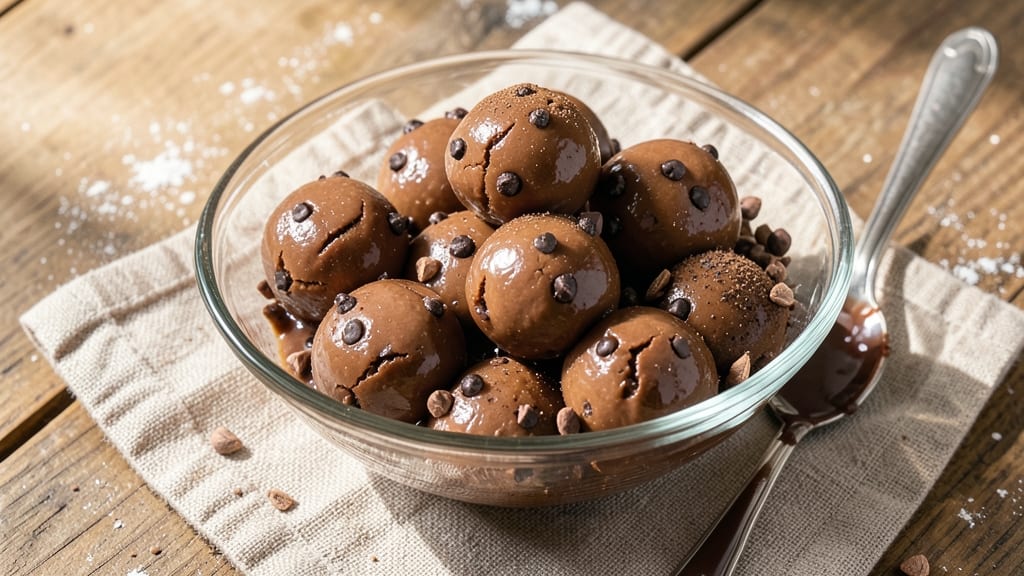
This Brazilian chocolate fudge balls recipe delivers the perfect balance of rich espresso-infused chocolate and satisfying crunch. The secret lies in traditional ingredients like condensed milk and cocoa powder, combined with a touch of coffee for depth.
These bite-sized treats require just 15 minutes of prep time, followed by 1 hour of chilling for ideal texture.
What makes these brigadeiros truly special is their velvety, melt-in-your-mouth consistency, elevated by the espresso infusion. The recipe uses a simple yet foolproof method of mixing, shaping, and rolling each ball in a crunchy chocolate topping. This technique ensures every bite delivers that signature Brazilian texture—creamy inside, crispy outside.
By the time you're done, you'll have a batch of restaurant-quality fudge balls that taste like a taste of Brazil. The espresso note adds complexity while keeping the chocolate flavor dominant, and the crunchy topping provides satisfying contrast. Perfect for holidays, potlucks, or satisfying a sweet tooth.
These treats stay fresh in the refrigerator for up to 5 days, making them ideal for meal prep or gifting. The recipe scales easily, so you can make just a few for personal indulgence or dozens for sharing. Let's get started on creating these irresistible Brazilian chocolate bites.
Ingredients for brazilian chocolate fudge balls
Traditional Brazilian ingredients meet modern technique for these velvety espresso-infused fudge balls.
| Ingredient | Amount | Notes |
|---|---|---|
| Sweetened Condensed Milk 🥛 | 14 oz | High-quality canned brand preferred |
| Unsweetened Cocoa Powder 🍫 | 1 cup | Natural or Dutch-process preferred |
| Instant Espresso Powder ☕ | 2 tbsp | Finely ground for smooth texture |
| Butter 🧈 | ½ cup | Unsalted, softened to room temperature |
| Dark Chocolate Chips 🍫 | 1 ½ cups | 70% cocoa or higher for crunchy topping |
| Vegetable Oil 🫒 | ¼ cup | For rolling and preventing sticking |
| Granulated Sugar 🍚 | ½ cup | Fine grain for smooth texture |
| Vanilla Extract 🌿 | 1 tsp | Pure Madagascar or bourbon preferred |
| Salt 🧂 | ¼ tsp | Fine sea salt for balance |
| Parchment Paper 📄 | 1 sheet | For easy rolling and shaping |
| Aluminum Foil 📄 | 1 sheet | For chilling and storage |
The condensed milk is the foundation—Nestlé or Carnation brands deliver consistent quality, but avoid ultra-sweet varieties. For the cocoa powder, Ghirardelli or Valrhona provide the richest flavor profile, though Dutch-processed types create a smoother texture. Instant espresso powder should be finely ground; Starbucks or Lavazza brands work well, but avoid pre-ground coffee that contains lumps. The butter must be unsalted—salted varieties disrupt the delicate balance of flavors. For the dark chocolate chips, Lindt or Guittard brands melt smoothly and provide a satisfying crunch.
No instant espresso powder? Strong brewed coffee reduced to a powder works in a pinch, though texture may vary. Dutch-process cocoa powder can be swapped for natural cocoa, but adjust the vanilla to 1.5 teaspoons for better flavor development. Butter substitutes like vegetable shortening can be used, though texture will differ slightly. For a gluten-free option, ensure your chocolate chips are certified gluten-free, as some brands process in shared facilities. The parchment paper should be unbleached and food-grade—avoid waxed varieties that may impart unwanted flavors.
Store finished brigadeiros in an airtight container between layers of parchment paper, refrigerated for up to 5 days or frozen for 3 months. The foil sheet serves dual purposes: line it with parchment for chilling, then reuse for storage. For gifting, portion into clear cellophane bags tied with ribbon. These treats soften slightly at room temperature, so plan ahead if serving at events. The crunchy topping becomes more pronounced after 24 hours of chilling, so patience pays off for optimal texture.
Why You'll Love This Recipe
- No-Fuss Mixing: I swear by the 5-minute stir—just condensed milk, cocoa, espresso, and butter in a pot. The dark chocolate chips melt right in, so you’re not stuck chopping or rolling by hand. Honestly, the hardest part is waiting for it to cool enough to roll.
- Coffee-Chocolate Magic: That instant espresso powder isn’t just a trick—it cuts through the sweetness and makes these taste like a grown-up dessert. The dark chocolate chips add pockets of gooey contrast, so every bite has that just-right balance. (Yes, even on a Tuesday night.)
- Party-Ready in Minutes: Make a batch ahead and store them in the fridge—they’re perfect for last-minute gifts, potlucks, or when your kid’s class asks for treats. Roll them in cocoa powder for a pretty finish, or leave them naked for that rustic charm. Either way, they disappear fast.
- Budget Sweet Tooth Fix: Condensed milk and cocoa powder stretch your dollar way further than fancy chocolate bars. A single can of condensed milk makes dozens of these, and the espresso powder is a tiny pinch. My secret weapon? Buy store-brand chocolate chips—they’re just as good, and my wallet thanks me.
Step-by-step instructions for Brazilian chocolate fudge balls
Master this rich, espresso-infused recipe with precise technique for perfect texture every time.
Combine Wet Ingredients for Smooth Mixture
In a medium saucepan, combine the 14 oz sweetened condensed milk, 0.5 cup granulated sugar, 0.5 cup softened butter, and 1 tsp vanilla extract. Place over medium-low heat and stir constantly for 5-7 minutes until the mixture reaches 160°F and thickens noticeably—you'll see it transform from thin to a pudding-like consistency.
This gentle heating process develops the fudge's signature smoothness. Watch carefully as the mixture thickens—it should coat the back of a spoon when you lift it. If it begins to scorch (indicated by a burnt smell), immediately reduce heat to low and continue stirring. Remove from heat once it reaches 160°F and let it cool slightly to 110°F before proceeding.
Incorporate Dry Ingredients and Espresso
In a separate large bowl, sift together the 1 cup unsweetened cocoa powder and 2 tbsp instant espresso powder. This ensures even distribution and prevents clumping. Gradually pour the cooled condensed milk mixture into the cocoa powder while whisking vigorously to combine.
Add the 0.25 tsp salt and continue whisking until the mixture is completely smooth and homogenous. The batter should be thick but still pourable. If it's too stiff, add 1-2 tablespoons of warm water to loosen it. Here's the thing—proper whisking at this stage eliminates any graininess in the final texture, so take your time to ensure no dry spots remain.
Shape and Chill the Fudge Balls
Line a baking sheet with the parchment paper and lightly grease it with vegetable oil to prevent sticking. Using a 1 tablespoon cookie scoop or spoon, portion the fudge mixture into 48 equal balls (about 1 tablespoon each) and place them on the prepared sheet. Wet your hands slightly with water to prevent sticking as you handle the mixture.
Cover the baking sheet with the aluminum foil and refrigerate for 4-6 hours or until completely firm. This chilling step is critical—it allows the fudge to set properly so it holds its shape when rolled in chocolate. For best results, place the sheet on a wire rack in the fridge to ensure even cooling from all sides.
Coat with Crunchy Chocolate Topping
Melt the 1.5 cups dark chocolate chips in a microwave-safe bowl in 30-second intervals, stirring between each interval, until completely smooth. The chocolate should reach 110°F—test this by dipping a spoon in; it should coat the back smoothly without being runny.
Working with one fudge ball at a time, roll it in your hands to smooth any rough edges, then immediately dip it into the melted chocolate, coating it completely. Place the coated ball back on the parchment-lined sheet and repeat with the remaining balls. Here's where it gets fun—toss each chocolate-coated ball in a small amount of the 1.5 cups dark chocolate chips to create that signature crunchy exterior. Let them set for 10 minutes before transferring to an airtight container.
Pro Tips For Making Brazilian Chocolate Fudge Balls
- Melt Butter Slowly: Don’t dump cold butter into the condensed milk—it’ll clump like a science experiment gone wrong. Warm the butter to just soften (about 30 seconds in the microwave or until it looks like pudding), then stir it into the hot milk mixture. This keeps the texture smooth and prevents graininess.
- Use Fine Cocoa: Skip the pre-sifted cocoa unless you’re already using it—it’s usually too fine and can make the balls dry out faster. Grind your own unsweetened cocoa powder in a spice grinder for 10 seconds or sift it yourself; this ensures even distribution and a richer flavor without altering the texture.
- Don’t Overmix the Dough: Once you fold in the chocolate chips, stop stirring the second they’re just coated. Overworking the dough incorporates air, which makes the balls spread too much when baking and turns them cakey instead of fudgy. Think "gentle swirls, not a batter mix."
- Bake in One Batch: Resist the urge to double the recipe and bake in two pans—this is where fudge balls go wrong. The oven’s heat distribution varies, and splitting the batch means one tray gets overdone while the other stays underbaked. If you’re making more than one pan’s worth, bake them sequentially, not simultaneously.
Common mistakes when making this dish
Overheating the Mixture
One of the most common mistakes is letting the condensed milk mixture get too hot. When it exceeds 160°F, it can scorch and develop a burnt flavor that ruins the delicate balance of sweetness and chocolate.
I’ve learned to keep the heat at medium-low and stir constantly—if it starts to smell burnt, reduce heat immediately. The goal is a smooth, pudding-like consistency, not a caramelized mess. 🔥
Skipping the Chill Time
Rushing the 4-6 hour chilling step is a big no-no. Brigadeiros need this time to firm up so they hold their shape when rolled in chocolate. I once tried cutting it short and ended up with a sticky disaster that wouldn’t roll properly.
The fridge is your friend here—patience ensures those perfect, bite-sized balls.
Uneven Chocolate Coating
Dipping the fudge balls too quickly or using uneven chocolate can lead to lopsided, messy results. Melt the chocolate to exactly 110°F and work with one ball at a time, rolling it smoothly in your hands first.
I also recommend using a small bowl of chocolate chips for the crunchy topping—this ensures even coverage. A rushed approach leads to some balls looking naked and others drowning in chocolate.
Using Low-Quality Ingredients
Cheap cocoa powder or condensed milk can make all the difference in texture and flavor. I’ve tried store-brand versions, and while they work in a pinch, they lack the richness of Ghirardelli cocoa powder or Nestlé condensed milk.
The espresso powder should also be finely ground—pre-ground coffee with lumps will create grainy fudge balls. Invest in quality ingredients for that authentic Brazilian taste.
Not Greasing Hands or Surface
Sticky fudge is a nightmare to handle. I used to struggle with the mixture sticking to my hands and the parchment paper until I learned to wet my hands slightly with water and lightly grease the surface with vegetable oil.
This simple step makes rolling and shaping the balls effortless. Trust me, your hands (and your patience) will thank you.
Overmixing the Batter
While whisking is essential, overmixing can incorporate too much air, causing the fudge balls to deflate or develop a grainy texture. Stir just until smooth—about 2-3 minutes—then stop.
I’ve seen recipes where the batter was whipped like egg whites, and the result was sad, flat fudge balls. Gentle mixing keeps the texture velvety and consistent. ✨
Nutrition facts
Frequently asked questions
Can I make these without a microwave for melting the chocolate?
For a stovetop method, melt the 1.5 cups dark chocolate chips in a heatproof bowl placed over a pot of simmering water (double boiler). Stir gently until smooth, keeping the temperature at 110°F—test with a spoon. Alternatively, use a candy thermometer to monitor. This method gives you more control over temperature for that perfect crunchy coating.
How do I store these for maximum freshness?
Keep them in an airtight container between layers of parchment paper in the fridge for up to 5 days. For longer storage, freeze them on a tray first, then transfer to a sealed bag for 3 months. Let them sit at room temperature for 10 minutes before serving—they'll soften slightly but maintain their texture. The foil sheet from chilling can double as storage!
Can I add other flavors like peanut butter or nuts?
Yes! For a twist, mix 2 tablespoons peanut butter into the warm condensed milk mixture before adding cocoa. Or roll finished balls in crushed nuts (like pecans or hazelnuts) instead of chocolate chips. Just reduce the chocolate coating to 1 cup to maintain balance. The espresso flavor still shines through while adding new textures.
Why did my fudge balls turn out too hard?
Over-chilling or using too much cocoa powder can create hard fudge. The ideal texture comes from 4-6 hours in the fridge—not longer! Also check your cocoa powder: Dutch-process types make denser fudge. For a softer result, reduce cocoa to 0.75 cup or add 1 tablespoon milk to the mixture. The key is balance—creamy inside, firm enough to hold shape.
How many calories are in each fudge ball?
Each serving (about 1 ball) contains roughly 120-130 calories, with 8g fat (mostly from chocolate and butter) and 12g sugar. The espresso powder adds minimal calories but boosts flavor without extra sugar. For a lighter version, reduce sugar to 0.35 cup and use 85% dark chocolate chips.