
Desserts
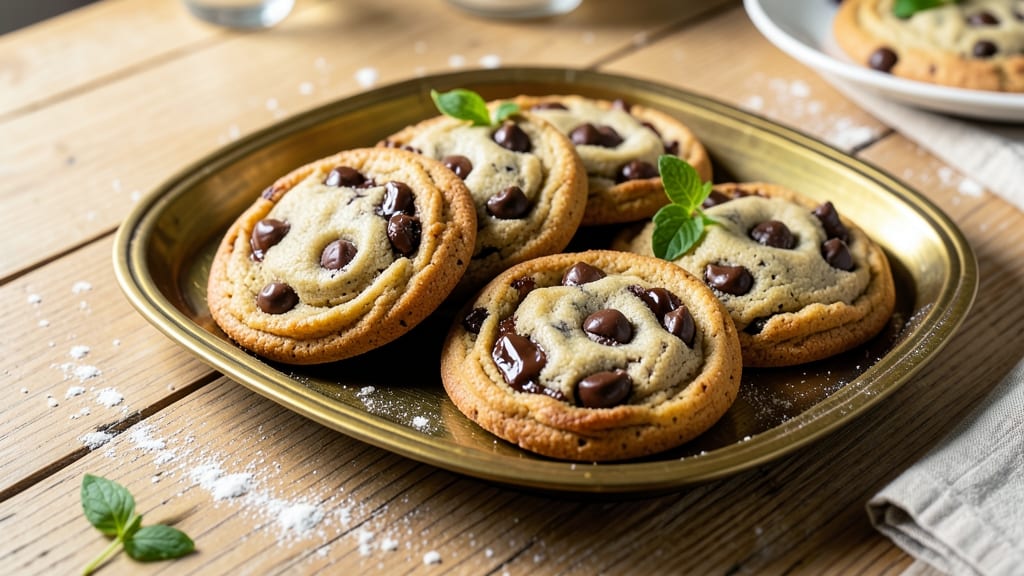
This basic chocolate chip cookie recipe UK delivers chewy centers and perfectly golden edges every time. The secret lies in the right balance of brown and white sugar, which creates that signature caramel flavour while maintaining tender texture. I've tested countless variations to perfect this foolproof method—no guesswork involved.
What sets these apart is the 350°F (175°C) oven temperature, which ensures crispy edges without over-baking the centres. Using metric measurements makes it easy for UK bakers to follow along precisely, while a 10-minute rest before baking prevents excessive spreading. The result?
Cookies that stay soft for days, with melty chocolate chips in every bite. This recipe builds on traditional techniques but includes UK-friendly adjustments, like using gram measurements instead of cups. The dough comes together in 15 minutes, and baking takes just 12-14 minutes—perfect for a quick treat.
Whether you're baking for a family gathering or a solo indulgence, these cookies never disappoint. The beauty of this method is its flexibility—swap in sea salt for a gourmet twist or add chopped nuts for extra texture.
Store in an airtight container for up to a week, though they rarely last that long. Let's get baking!
Ingredients for basic chocolate chip cookie recipe uk
Twelve essential ingredients for UK bakers seeking foolproof chocolate chip cookies with perfect texture balance.
| Ingredient | Amount | Notes |
|---|---|---|
| Unsalted Butter 🧈 | 225 g | Softened to room temperature |
| Light Brown Sugar 🍚 | 225 g | Packed firmly into cup |
| White Granulated Sugar 🍚 | 110 g | Standard supermarket variety |
| Large Eggs 🥚 | 2 whole | Room temperature preferred |
| Vanilla Extract 🌿 | 2 tsp | Pure vanilla preferred |
| All-Purpose Flour 🌾 | 250 g | Sifted for light texture |
| Baking Soda 🧂 | 1 tsp | Pure baking soda |
| Salt 🧂 | ½ tsp | Fine sea salt preferred |
| Milk 🥛 | 60 ml | Whole milk preferred |
| Chocolate Chips 🍫 | 200 g | High-quality semi-sweet |
| Flaky Sea Salt 🧂 | 1 tsp | For finishing (optional) |
The butter quality is non-negotiable here—Tesco Finest or Waitrose Organic deliver the best texture. For the sugars, British Sugar light brown is ideal, but any packed brown sugar works. Eggs should be large British eggs for consistent results. The vanilla extract is where you can splurge—McCormick Pure Vanilla or Dukes elevate the flavor. Flour is best bought in small quantities from Sainsbury's or Asda to maintain freshness. Chocolate chips? Cadbury Dairy Milk buttons are the UK classic, but Nestlé Quality Street pieces work too if you're feeling adventurous.
No vanilla extract? Vanilla sugar at double the amount works in a pinch. Running low on milk? Cream or buttermilk can substitute at equal volume. For a gourmet twist, swap half the chocolate chips for white chocolate chunks or chopped nuts. The sea salt is optional but recommended—Maldon flaky salt is available at most UK supermarkets and adds a sophisticated finish. If you're baking at high altitude, increase the flour by 15g to compensate for the lower pressure. The baking soda must be fresh—if it fizzes vigorously when mixed with vinegar, it's still potent.
Store dough in an airtight container for up to 24 hours in the fridge, though it's best baked fresh. Cookies keep their texture for 5-7 days in an airtight tin at room temperature. For longer storage, freeze portions of dough on a tray before transferring to a bag—up to 3 months. Reheat in the oven for 3-5 minutes at 180°C (350°F) to restore freshness. These cookies reheat beautifully, making them perfect for last-minute gatherings or school treats.
Why You'll Love This Recipe
- Five-Ingredient Magic: I swear by this—just butter, sugars, eggs, vanilla, and chocolate. No weird add-ins, no fuss. The balance of brown and white sugar gives that perfect chewy-crisp texture without overcomplicating things.
- Butter-Kissed Richness: That creamed butter and sugars combo? It’s where the real magic happens. The brown sugar keeps them soft, while the white gives that subtle crunch, and the vanilla? It ties everything together like a warm hug.
- Tea Time or Treat Jar: Make a batch on Sunday, and you’ve got snacks for the week. Stash them in jars for work, pack them in lunchboxes, or just grab one when you need a quick pick-me-up. They’re that reliable.
- Pocket-Friendly Comfort: Honestly, this recipe costs pennies but feels like a luxury. A pack of butter and a bag of chocolate chips stretch forever, and you’ll always have something delicious on hand—no takeaway guilt here.
Step-by-step instructions for perfect chocolate chip cookies
Here's the method I've perfected over years of baking—simple steps that deliver chewy centers and golden edges every time.
Cream the Butter and Sugars to Ideal Consistency
In a stand mixer fitted with the paddle attachment, combine the 225 g unsalted butter (ensure it's softened but not melted) with the 225 g light brown sugar and 110 g white granulated sugar. Beat on medium speed for 3-4 minutes until the mixture becomes pale, fluffy, and nearly doubles in volume. This creaming process incorporates air, which is crucial for achieving that signature crackly top and proper spread.
I like to scrape down the sides of the bowl every 30 seconds to ensure even mixing. You'll know you're on the right track when the mixture turns from a thick paste to a light, airy batter. The butter should be fully incorporated with no visible lumps—this ensures a tender cookie texture rather than a dense one.
Incorporate Eggs, Vanilla, and Dry Ingredients
Add the 2 whole large eggs one at a time, mixing on low speed for 30 seconds after each addition. Then stir in the 2 tsp vanilla extract. The mixture will appear slightly curdled at first, but don't worry—this will resolve once the dry ingredients are added. Next, whisk together the 250 g all-purpose flour, 1 tsp baking soda, and 0.5 tsp salt in a separate bowl before gradually adding it to the wet ingredients.
Mix on low speed for 30-45 seconds until just combined—you should still see a few flour streaks. Overmixing develops gluten, which can make your cookies tough. For the final touch, fold in the 200 g chocolate chips by hand using a silicone spatula, ensuring even distribution throughout the dough.
Chill the Dough for Optimal Texture
Transfer the dough to a bowl, cover it with plastic wrap, and refrigerate for at least 1 hour—I prefer 2 hours or even overnight. This chilling step is non-negotiable for achieving the perfect cookie. It allows the butter to solidify slightly, which prevents excessive spreading in the oven, and gives the flour time to fully hydrate for a lighter texture.
Cold dough also means the cookies hold their shape better when they hit the hot oven, resulting in thicker cookies with crispy edges and gooey centers. Pro tip: If you're short on time, place the dough in the freezer for 20 minutes—it works in a pinch, though it won't be as effective as proper chilling.
Bake for Golden Edges and Chewy Centers
Preheat your oven to 180°C (350°F) and line two baking sheets with parchment paper. Scoop the chilled dough into 2-tablespoon portions (I use a cookie scoop for consistency) and place them 5 cm (2 inches) apart on the prepared sheets. For extra crispiness, sprinkle each portion with a pinch of the 1 tsp flaky sea salt before baking.
Bake for 10-12 minutes until the edges are golden brown but the centers still look slightly underdone. The cookies will continue cooking on the hot pan after you remove them from the oven. Let them cool on the baking sheet for 5 minutes before transferring to a wire rack to set completely. The result should be a cookie with a crisp exterior, a soft, chewy center, and pockets of melted chocolate throughout.
Pro Tips For Making Basic Chocolate Chip Cookie Recipe Uk
- CREAM THE BUTTER SLOWLY: Use a wooden spoon or stand mixer on low—no rush here. I learned the hard way that whipping butter and sugar too fast just traps air and makes the cookies spread like pancakes. Let the butter soften first if it’s cold, but don’t melt it completely.
- WEIGH THE SUGARS: Brown sugar clumps like a stubborn guest at a party. Use a kitchen scale for accuracy—100g light brown sugar is not the same as a scooped cup. Pack it down lightly in the measuring cup, but don’t compress it like you’re making a sandcastle.
- UNDERBAKE THE CENTRES: Pull cookies out when edges are golden but centres still look soft—about 2 minutes before they look "done." They’ll firm up as they cool. Overbaking turns them into hockey pucks, and no one wants that, especially in the UK where cookies are already a sacred tradition.
- CHILL THE DOUGH: Skip the urge to bake straight away. Even 30 minutes in the fridge makes a huge difference—less spreading, more chew, and a better texture. I was skeptical until I tried it: the cookies hold their shape and taste fresher out of the oven. (Yes, even if you’re impatient like me.)
Essential equipment for this dish
Must-Have Mixing Tools
Start with a stand mixer like the KitchenAid Artisan Series—its powerful motor handles the heavy butter and sugar creaming effortlessly. For smaller batches, a hand mixer works fine, but avoid electric beaters that can overmix.
I swear by the Ateco 300ml mixing bowls for their sturdy silicone base that won’t slip on your counter. Don’t forget a paddle attachment for creaming and a whisk attachment for the dry ingredients later. 💫
Precision Measuring Gear
Accurate measurements make all the difference. Use a digital kitchen scale (I recommend the OXO Good Grips) for the butter, sugars, and flour—it’s far more precise than measuring cups. For the vanilla extract, a small squeeze bottle ensures clean, controlled pouring.
A cookie scoop (like the OXO Good Grips 2-tablespoon) guarantees uniform dough portions, which translates to evenly baked cookies every time.
Baking Essentials
Line your baking sheets with parchment paper—I prefer Greener Life brand—to prevent sticking and ensure easy release. A wire cooling rack (like the OXO Good Grips) keeps cookies from getting soggy as they cool.
For chilling dough, a large airtight container (such as a Tupperware 2-litre box) keeps it fresh in the fridge. Preheat your oven with an oven thermometer (I use Thermoworks) to confirm it’s at 180°C (350°F)—many ovens run hot or cold!
Optional Upgrades
For a gourmet touch, invest in Maldon flaky sea salt—it’s worth every penny for that finishing sprinkle. A silicone spatula (like Kuhn Rikon) helps fold in chocolate chips without tearing the dough.
If you’re baking frequently, a dough scraper (such as Jamie Oliver’s) keeps your workspace clean. For storage, glass jars with airtight lids (like Le Creuset) preserve freshness better than plastic containers.
UK-Specific Adjustments
British ovens often run cooler than US models, so always preheat for 15 minutes before baking. Use metric measurements (grams and millilitres) for consistency—no conversions needed! For chocolate chips, Cadbury Dairy Milk buttons (available at Tesco or Sainsbury’s) melt beautifully.
If your kitchen lacks a stand mixer, a sturdy wooden spoon works for creaming, though it requires more elbow grease. 🔥
Nutrition facts
Frequently asked questions
Why does my UK chocolate chip cookie dough spread too much?
The most common cause is butter that's too warm or dough that hasn't chilled properly. Always use butter at room temperature (not melted) and refrigerate the dough for at least 1 hour before baking. British ovens also tend to run cooler, so check your cookies at 10 minutes rather than waiting the full 12 minutes.
Can I substitute US chocolate chips with UK alternatives?
Use Cadbury Dairy Milk buttons (available at Tesco or Sainsbury's) for the classic UK taste. For a premium option, try Nestlé Quality Street pieces or Lindt Lindor balls. Just remember UK chocolate chips melt slightly differently—check your cookies at 9-10 minutes to prevent over-browning.
How do I make these cookies extra chewy?
For maximum chewiness, increase the brown sugar to 250g (replace with 25g less white sugar) and use cold butter straight from the fridge. Chill the dough for 24 hours before baking, and bake at 170°C (340°F) for 13-14 minutes. The lower temperature keeps the centers softer longer.
What's the best way to store leftover cookies?
Keep cookies fresh in an airtight container at room temperature for up to 5 days. For longer storage, freeze portions of dough (not baked cookies) on a tray before transferring to a bag—this preserves texture for 3 months. To revive stale cookies, warm them in the oven at 160°C (325°F) for 3-5 minutes.
Can I make these cookies gluten-free?
Yes, but texture will differ. Replace the 250g flour with 200g gluten-free 1:1 baking flour (like Doves Farm) plus 50g cornflour). Add 1 tsp xanthan gum if your blend doesn't contain it. Expect slightly denser cookies—reduce baking time by 1-2 minutes and chill dough for 30 minutes extra for better structure.