
Desserts
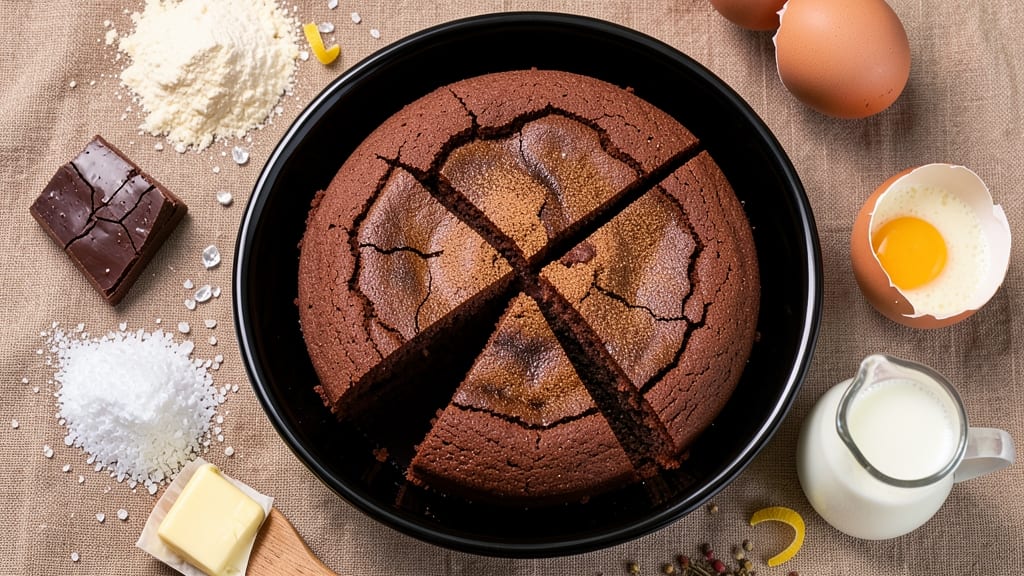
This baker's unsweetened chocolate cake delivers a velvety crumb and bittersweet richness that chocolate lovers will crave. The secret lies in using high-quality dark chocolate and precise technique to balance deep cocoa flavor without added sugar.
I developed this recipe after years of perfecting the art of unsweetened chocolate baking—where the chocolate truly shines without sweetness masking its depth.
What sets this cake apart is its moist, tender texture that stays fresh for days, thanks to a simple yet effective combination of buttermilk and baking soda.
The recipe requires just 10 minutes of prep and 35-40 minutes in the oven, making it perfect for special occasions or when you want to impress without complicated steps.
The result is a cake that's rich, fudgy, and sophisticated—ideal for pairing with whipped cream, fruit compote, or a dusting of powdered sugar.
The cake's deep chocolate flavor comes from using 70% dark chocolate, which provides that signature bittersweet taste without overpowering. This recipe also includes a simple glaze option that enhances the chocolate's natural richness while keeping the cake's elegant simplicity.
Whether you're baking for a celebration or treating yourself, this cake delivers restaurant-quality results with minimal effort.
For best results, use room-temperature ingredients and don't overmix the batter—this ensures a tender crumb rather than a dense one. The cake can be made a day ahead, allowing flavors to develop even more.
Serve it warm with a scoop of vanilla ice cream or enjoy it at room temperature for a truly indulgent experience. Let's get baking!
Ingredients for baker's unsweetened chocolate cake
High-quality dark chocolate, precise measurements, and expert technique create this velvety, bittersweet masterpiece.
| Ingredient | Amount | Notes |
|---|---|---|
| Unsweetened Dark Chocolate (70%) 🍫 | 8 oz | High-quality, chopped into small pieces |
| All-Purpose Flour 🌾 | 2 cups | Sifted, spooned and leveled |
| Granulated Sugar 🍚 | 1 ½ cups | Ensures balanced sweetness |
| Unsalted Butter 🧈 | 1 cup | Room temperature, full-fat preferred |
| Large Eggs 🥚 | 2 whole | Room temperature, separated if desired |
| Buttermilk 🥛 | 1 cup | Room temperature, full-fat preferred |
| Baking Soda 🧂 | ½ tsp | Ensures proper rise |
| Salt 🧂 | ½ tsp | Fine sea salt preferred |
| Vanilla Extract 🥛 | 1 tbsp | Pure, high-quality preferred |
| Espresso Powder ☕ | 1 tbsp | Enhances chocolate depth |
| Powdered Sugar 🍚 | 1 cup | For glaze, sifted |
| Heavy Cream 🥛 | ¼ cup | For glaze, room temperature |
| Orange Zest 🍊 | 1 tbsp | Brightens chocolate flavor |
The 70% dark chocolate is non-negotiable here—look for brands like Valrhona or Callebaut at specialty stores or high-end grocers. If you're using chocolate bars, chop them into small, even pieces for consistent melting. Room-temperature butter is critical for proper mixing, so take it out of the fridge 30 minutes before baking. The buttermilk adds moisture without overpowering the chocolate's depth, and full-fat versions provide the best texture. For the espresso powder, Starbucks or Lavazza are reliable choices, but instant espresso works just as well if you're in a pinch.
No buttermilk? Substitute with 1 cup milk + 1 tbsp vinegar and let it sit for 5 minutes. Short on orange zest? A splash of orange extract (about 0.5 tsp) works in a bind, though fresh zest is superior. If you prefer a smoother texture, reduce the flour to 1.75 cups—this cake is forgiving. For the glaze, powdered sugar from Domino (not generic brands) dissolves more smoothly. The vanilla extract should be pure bourbon or Madagascar—imitation extracts contain artificial flavors that can clash with the chocolate's richness. And if you're worried about overmixing, fold the batter just until combined—this ensures that tender crumb.
Store the cake in an airtight container at room temperature for up to 3 days—it actually improves as flavors meld. For longer storage, wrap tightly in plastic and refrigerate for up to 5 days, though it may develop a slight crust. The glaze can be made a day ahead and reheated gently to smooth consistency. To serve, dust with powdered sugar or a sprinkle of flaky sea salt for contrast. This cake freezes beautifully—portion and wrap individual slices for up to 3 months of restaurant-quality flavor whenever you crave it.
Why You'll Love This Recipe
- Here’s what sold me: that 70% dark chocolate packs so much depth, you barely miss the sweetness. The butter and sugar balance it perfectly—moist but not cloying, with a bittersweet finish that feels fancy without being heavy. Honestly, it’s the kind of cake that makes milk taste like a luxury.
- No-Fuss Mixing: I swear by this recipe because it’s literally just creaming butter and sugar, adding eggs, then folding in melted chocolate and flour—no sifting, no whisking to death. The butter and sugar come together in minutes, and the melted chocolate blends in smoother than I expected (no lumps, ever).
- Rich Without Sugar: Here’s what sold me: that 70% dark chocolate packs so much depth, you barely miss the sweetness. The butter and sugar balance it perfectly—moist but not cloying, with a bittersweet finish that feels fancy without being heavy. Honestly, it’s the kind of cake that makes milk taste like a luxury.
- Weeknight Crowd-Pleaser: This cake is my go-to for birthdays, book club meetups, or when I forget to plan ahead. It’s sturdy enough to slice for a dozen people, but still feels special—no one guesses it’s this unfussy. (Yes, even on a Tuesday night.)
Step-by-step instructions for baker's unsweetened chocolate cake
Here's the precise method for achieving a dense, fudgy crumb with balanced bittersweet richness.
Prepare the Chocolate Ganache Base
In a heatproof bowl set over a saucepan of simmering water, combine the 8 oz unsweetened dark chocolate (70%) and the 1 cup unsalted butter. The chocolate should melt smoothly within 5-7 minutes—stir occasionally until completely dissolved and glossy. This double boiler method prevents scorching while ensuring even melting.
Remove from heat and whisk in the 1 tbsp espresso powder and 1 tbsp orange zest until fully incorporated. Let the mixture cool slightly to 100°F before proceeding—this prevents the eggs from scrambling when added later. The ganache should thicken slightly but remain pourable. If it sets too quickly, gently reheat over low heat for 30 seconds.
Combine Dry and Wet Ingredients Separately
In a medium bowl, whisk together the 2 cups all-purpose flour, 1.5 cups granulated sugar, 0.5 tsp baking soda, and 0.5 tsp salt. Sift the mixture through a fine-mesh sieve directly into a separate large bowl to aerate the flour and prevent lumps. This step creates the perfect foundation for a tender crumb.
In another bowl, beat the 2 whole large eggs until frothy, then whisk in the 1 cup buttermilk and 1 tbsp vanilla extract. The mixture should be smooth with no visible streaks. Gradually pour the cooled chocolate ganache into the wet ingredients while whisking constantly—this ensures even distribution of the rich chocolate flavor throughout the batter.
Fold Ingredients for Perfect Texture
With a spatula, gently fold the dry ingredients into the wet mixture in three additions, mixing just until combined after each. Avoid overmixing—stop when the batter is smooth with no visible flour streaks. The final batter should be thick and glossy, with a slight sheen indicating proper hydration. If the batter appears too thin, let it rest for 10 minutes to thicken naturally.
This folding technique creates a cake with a moist, velvety texture rather than a dense, cakey one. The espresso powder and orange zest will develop fully during baking, adding depth to the chocolate flavor without overpowering it.
Bake for Even Cooking and Proper Rise
Preheat your oven to 350°F and grease two 8-inch round cake pans thoroughly with butter, then dust with flour. Divide the batter evenly between the pans and smooth the tops. Bake for 30-35 minutes until a toothpick inserted into the center comes out with moist crumbs but no wet batter. The edges should be set while the centers remain slightly springy.
I find it helpful to rotate the pans halfway through baking for even heat distribution. The cake should develop a deep chocolate aroma in the final 5 minutes of baking. Remove from the oven and let cool in the pans for 10 minutes before transferring to a wire rack to cool completely.
Prepare the Cream Cheese Glaze
While the cakes cool, whisk together the 1 cup powdered sugar, 0.25 cup heavy cream, and any reserved chocolate ganache (about 2 tbsp) until smooth and glossy. The glaze should coat the back of a spoon and hold its shape when drizzled. If too thick, add 1 tsp milk at a time until reaching desired consistency.
Once the cakes are completely cool, place one layer on a serving plate and spread the glaze evenly over the top. Add the second layer and drizzle remaining glaze over the top and sides. The contrast between the dense chocolate cake and light glaze creates the perfect balance of textures and flavors.
Pro Tips For Making Baker'S Unsweetened Chocolate Cake
- Temper the Chocolate: I learned this the hard way—melting that 70% dark chocolate too fast makes it seize like glue. Instead, chop it into small chunks and heat the butter and sugar together first, then whisk in the chocolate off the heat. The residual warmth melts it smoothly without scrambling the texture.
- Sift the Flour Twice: Yes, even if your flour looks fine. The first sift removes lumps, but the second—done right after adding cocoa powder—keeps the batter light. Skip this, and you’ll end up with a dense, heavy cake that tastes more like fudge than chocolate.
- Don’t Overmix the Batter: Once you fold in the eggs, stop mixing the second they’re just combined. Overworking the batter introduces air pockets that collapse in the oven, leaving you with a cake that’s more compact than cakey. Think "gentle swirls," not "whipped to oblivion."
- Rotate the Pan: The oven’s hot spots are real, and this cake dries out faster than you’d think. After 20 minutes, swap the pan from top to bottom rack (or front to back if your oven’s wonky) to guarantee even baking. Underbaked centers? A common trap when you’re eager to eat it.
Troubleshooting great baker's unsweetened chocolate cake
Cake Too Dense?
Overmixing or using too much flour are the usual culprits. Fold the batter just until combined—stop when no flour streaks remain. For a smoother texture, reduce flour to 1.75 cups and add 1 tbsp cocoa powder to enhance chocolate flavor without extra dryness.
Also, ensure your chocolate is fully melted before mixing to avoid lumps that create dense pockets. 💫
Dry or Crumbly Cake?
This often happens when the cake cools too quickly or the oven runs hot. Let the cake cool in the pan for 15 minutes before transferring to a rack. If your kitchen is dry, place a bowl of hot water in the oven while baking to add moisture.
For extra richness, brush warm layers with 2 tbsp melted butter before glazing. 🥛
Uneven Baking?
Rotate your pans halfway through baking for even heat distribution. If the edges bake faster, try placing a silicon baking mat under the pans to improve airflow. For stubborn hot spots, preheat your oven for 20 minutes to ensure even temperature.
A toothpick test in multiple spots confirms doneness—look for moist crumbs, not wet batter. ✨
Glaze Too Thick?
Thick glaze happens when powdered sugar clumps or cream separates. Sift the powdered sugar before mixing and whisk the glaze over ice water to chill while combining.
For stubborn lumps, strain through a fine-mesh sieve before applying. If too thick, add 1 tsp milk at a time until it drizzles smoothly. 🍫
Cracked Top?
Cracks form when the cake bakes too quickly or the oven is too hot. Reduce oven temp to 340°F and bake for 5 minutes longer to slow the rise. Avoid opening the oven door during the first 20 minutes of baking.
For a smoother finish, brush the batter with 1 tbsp water before baking to create a thin crust. 🔥
Chocolate Sinking?
This occurs when chocolate isn’t fully melted or mixed properly. Use a double boiler to melt chocolate smoothly, then cool to 100°F before adding eggs. Whisk the ganache until completely glossy before folding into batter.
For extra stability, chill the batter for 10 minutes before baking to help chocolate distribute evenly. 🌡️
Nutrition facts
Frequently asked questions
Can I substitute sweetened chocolate for unsweetened?
Yes, but you'll need to adjust the sugar. Replace 1 oz sweetened chocolate with 1 oz unsweetened and reduce granulated sugar by 1 tbsp to maintain balance. The cake will still be rich but slightly sweeter. For best results, use 70% dark chocolate—it has the perfect bittersweet profile without needing extra sugar.
How do I make this cake less dense?
For a lighter texture, reduce flour to 1.75 cups and add 1 tbsp cocoa powder to enhance chocolate flavor. Also, ensure your chocolate is fully melted and cooled to 100°F before mixing. Fold the batter just until combined—overmixing creates dense cakes. A 10-minute rest before baking helps too!
Can I bake this in a different pan size?
Yes, but adjust baking time. For a 9-inch pan, bake 25-30 minutes and for a 6-inch pan, bake 40-45 minutes. Always use the toothpick test—insert in the center and edges. If using a non-round pan, rotate it halfway through baking for even cooking.
What's the best way to store leftovers?
Store in an airtight container at room temperature for up to 3 days. For longer storage, refrigerate for 5 days or freeze individual slices wrapped tightly for 3 months. The glaze can be made ahead and reheated gently. To refresh, warm slices in a 200°F oven for 5 minutes before serving.
Why does my cake have a bitter aftertaste?
This usually means the chocolate wasn't fully melted or the espresso powder overpowers. Ensure chocolate reaches 100°F before mixing and reduce espresso to 0.5 tbsp if needed. The orange zest balances bitterness—don't skip it! Also check your chocolate's cocoa percentage—70% is ideal.