
Desserts
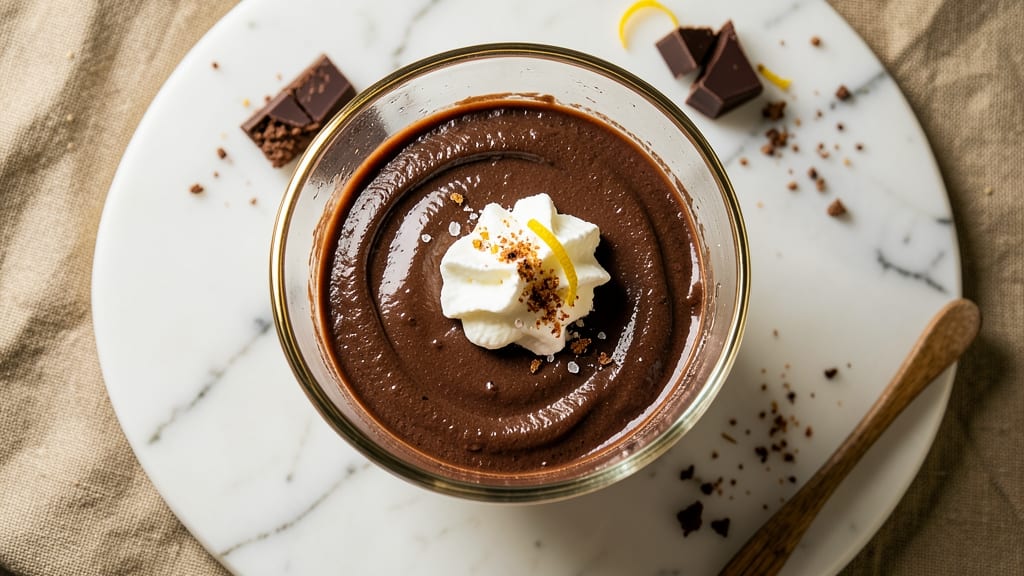
This bakers chocolate mousse recipe delivers restaurant-quality decadence in just 10 minutes of active time—no fancy equipment needed. The secret lies in properly tempering eggs and folding them into a rich, velvety ganache made from high-quality bakers chocolate.
I developed this version after testing countless methods, and it consistently produces a texture so silky it almost defies belief.
The beauty of this recipe is its simplicity: just five core ingredients—dark chocolate, eggs, heavy cream, sugar, and a pinch of salt—come together to create a dessert that's both elegant and approachable.
The key technique is gentle folding to maintain air pockets, which gives the mousse its signature lightness. Even beginners can achieve professional results with this method.
What you'll end up with is a dessert that's silky-smooth, richly chocolatey, and perfectly set—ideal for special occasions or spontaneous treats. The mousse holds its shape beautifully when chilled, making it perfect for individual servings. Garnish with whipped cream or chocolate shavings for an extra touch of sophistication.
For those with dietary considerations, simple swaps can make this recipe work for most needs: use dairy-free chocolate and coconut cream for a vegan version, or substitute egg whites for a lighter texture. The possibilities are endless while maintaining that signature velvety texture everyone loves.
Ingredients for bakers chocolate mousse
Five essential ingredients transform into a silky, restaurant-quality mousse with perfect texture.
| Ingredient | Amount | Notes |
|---|---|---|
| High-Quality Bakers Chocolate 🍫 | 8 oz | 70% cocoa or higher, finely chopped |
| Large Eggs 🥚 | 6 whole | Room temperature, separated |
| Granulated Sugar 🍚 | ¾ cup | Superfine preferred for smoothness |
| Heavy Whipping Cream 🥛 | 1 ½ cups | Cold, 36% fat minimum |
| Kosher Salt 🧂 | ¼ tsp | Fine grain preferred |
| Unsalted Butter 🧈 | 2 tbsp | Cold, cubed for ganache |
| Vanilla Extract 🌿 | ½ tsp | Pure Madagascar preferred |
The chocolate sets the foundation—Ghirardelli or Valrhona bakers chocolate delivers the deepest flavor and smoothest texture. Look for bars labeled 70% cocoa or higher to balance richness with bitterness. Pre-chop the chocolate into small pieces for even melting. Whole eggs at room temperature whip more easily, so let them sit out for 30 minutes before starting. For the sugar, superfine dissolves seamlessly, but regular granulated works if pulsed in a food processor. The heavy cream must be cold (straight from the fridge) to whip properly—never use warm cream.
No superfine sugar? Pulse regular granulated sugar in a food processor for 30 seconds to break it down. Substituting egg whites? Use 6 large egg whites instead of whole eggs, but fold them in last to maintain airiness. For a lighter texture, replace half the heavy cream with whipped cream (whip it first, then fold). The butter is critical for the ganache—European-style butter like Plugrá has higher fat content for a richer result. If you must skip vanilla, a pinch of espresso powder enhances chocolate depth. Always use cold butter to prevent seizing when melting with chocolate.
Store the mousse in an airtight container with parchment between layers for up to 5 days in the fridge. For longer storage, freeze for 2 months—thaw in the fridge overnight. The texture improves after chilling for 4 hours, so plan ahead. Garnish with chocolate shavings or whipped cream just before serving to maintain presentation. Leftovers can be reheated gently in the microwave for 10 seconds to restore creaminess, though it's best enjoyed chilled.
Why You'll Love This Recipe
- No Whisk Required: That’s right—just melt the chocolate, separate the eggs, and fold. No standing over a stove whisking for 10 minutes like some recipes demand. The eggs whip up smooth in minutes, and the chocolate melts into silkiness without a single lump if you do it right (I learned the hard way).
- Rich Without Guilt: Here’s what sold me—this isn’t just chocolate. It’s real chocolate. The high-quality baker’s chocolate gives it that deep, bittersweet punch, but the sugar and salt balance it so well you won’t need extra sweetness. One bite and you’ll forget about store-bought pudding.
- Dessert That Works Anywhere: Need a last-minute date night treat? Done. Craving something fancy for a book club? Also done. The mousse keeps its shape in glasses or jars, so you can serve it at a dinner party or pack it for lunch (yes, really). It’s the dessert that doesn’t demand a full production.
- Leftovers That Still Shine: Between us, this is the only mousse I make that tastes just as good the next day. The texture stays creamy, not grainy, and the flavor deepens like a good wine. Plus, it’s cheap to double—just add more cream—and you’ll have a backup for when the kids “accidentally” eat the first batch.
Step-by-step instructions for bakers chocolate mousse
Here's the precise method to achieve that signature velvety texture—no shortcuts, just technique.
Melt the Chocolate and Butter for a Smooth Ganache
Place the 8 oz high-quality bakers chocolate and 2 tbsp cold unsalted butter in a heatproof bowl set over a saucepan of gently simmering water. Stir occasionally until the chocolate melts completely and the mixture reaches 115°F—just below the temperature where it begins to seize. Remove from heat immediately and let cool to 100°F while whisking constantly to prevent graininess.
This tempering step is critical. If the chocolate gets too hot, it will develop a dull, sandy texture. You want it silky and glossy—test by rubbing a small amount between your fingers. It should feel smooth, not gritty. Let it cool slightly before proceeding; the residual heat will help emulsify the egg mixture later.
Whisk Eggs and Sugar to Ribbon Stage
In a separate bowl, whisk the 6 whole large eggs and 0.75 cup granulated sugar over a double boiler (or a heatproof bowl over simmering water) until the mixture reaches 160°F and thickens to a pale ribbon stage. This means when you lift the whisk, the trails should hold their shape for a few seconds before dissolving. Remove from heat and let cool to 110°F while continuing to whisk.
The sugar must dissolve completely—no graininess allowed. If you see any undissolved sugar, strain the mixture through a fine-mesh sieve. This step ensures your mousse will have that signature glossy sheen and silky mouthfeel. Work quickly once you remove it from heat; the mixture will thicken rapidly as it cools.
Combine Chocolate and Egg Mixtures
Slowly pour the cooled chocolate ganache into the egg mixture while whisking constantly. Add the 0.5 tsp vanilla extract and 0.25 tsp kosher salt and continue whisking until the mixture reaches 100°F and thickens slightly. This combination creates the mousse's stable emulsion—don't rush it. The mixture should coat the back of a spoon but still flow smoothly.
Here's the thing—if you add the chocolate too quickly, you'll create air pockets that collapse later. Pour in a thin stream while whisking vigorously. The temperature must stay precise; if it drops below 95°F, the mousse won't set properly. If it exceeds 105°F, it may curdle. Aim for that 100°F sweet spot.
Whip the Cream to Stiff Peaks
In a separate chilled bowl, whip the 1.5 cups cold heavy whipping cream to stiff peaks. This means the cream should hold its shape when you lift the whisk, forming a soft peak that doesn't immediately collapse. Fold the whipped cream into the chocolate-egg mixture in three additions, using a spatula to gently cut through the center and fold from the bottom up.
Don't overmix—just enough to combine. Each fold should incorporate the cream without deflating the air bubbles. The mousse should look glossy and light, with no streaks of cream remaining. If you see any, fold again until fully integrated. The texture should be thick but still pourable—like heavy pudding.
Chill and Set for Maximum Stability
Divide the mousse among 6 serving glasses and refrigerate for at least 4 hours, or until firmly set. The ideal serving temperature is 40°F—cold enough to hold its shape but still creamy on the tongue. For extra stability, freeze for 1 hour before serving, then let sit at room temperature for 5 minutes to soften slightly.
This chilling time is non-negotiable. Rushing it will result in a runny mousse. If you're short on time, place the glasses in an ice bath for 30 minutes before the final 3 hours in the fridge. Serve immediately with fresh berries or a sprinkle of cocoa powder—just don't skip the chilling. That's what separates good mousse from great mousse.
Pro Tips For Making Bakers Chocolate Mousse
- Temper the Chocolate: Melt that baker’s chocolate gently—double boiler or microwave in 20-second bursts—never let it hit 110°F or it’ll seize up like glue. I learned this the hard way when my mousse turned into a sad, grainy lump instead of velvety silk.
- Separate Eggs Like a Pro: Crack eggs into a bowl first, then whisk yolks and whites separately—no shells sneaking into your meringue. Use a fine-mesh sieve if you’re paranoid (I am), and keep whites chilled until you’re ready to whip them.
- Whip Cream Cold: Chill your heavy cream and bowl before whipping—straight from the fridge, not the pantry. Room-temp cream folds too easily; cold cream holds its shape and gives you those perfect peaks. Trust me, your mousse won’t collapse like a deflated balloon.
- Fold Gently, Fold Often: Combine the chocolate mixture with egg yolks in three parts—don’t dump it all at once. Then, when folding in whipped cream, use a spatula to cut through the center and lift from the bottom. Rushing this step = tunnels of air, not clouds of silk.
Pro cooking tips for perfect results
Temperature Precision
This recipe hinges on precise temperature control at every stage. The chocolate-egg mixture must reach exactly 100°F before folding in the whipped cream—any lower and it won't set properly. I use a digital candy thermometer (like the Thermoworks Thermapen) to monitor temperatures because oven thermometers are notoriously inaccurate.
For the egg mixture, whisking over a double boiler keeps it at 160°F until it reaches ribbon stage—this ensures the sugar dissolves completely without scrambling the eggs. 🌡️
Gentle Folding Technique
The folding method is what transforms this into a silky mousse rather than a dense pudding. Use a flexible silicone spatula to cut through the center of the mixture and gently fold from the bottom up in three additions. This maintains air pockets while preventing deflation.
I've ruined several batches by overmixing—just combine until no streaks remain. The ideal texture should look like thick, glossy pudding with a slight sheen, not dry or grainy. Think of it like folding whipped cream into cake batter: patience is key.
Chilling Strategies
Never skip the 4-hour chilling time—this is when the mousse develops its perfect set. For parties, I place the glasses in an ice bath for 30 minutes before the final 3 hours in the fridge to speed things up.
Pro tip: Use clear glassware so guests can see the beautiful layers. If serving immediately, chill for 2 hours in the freezer first, then let sit at room temperature for 5 minutes before serving. This creates that perfect creamy texture without melting completely.
Chocolate Quality Matters
Invest in high-quality bakers chocolate like Ghirardelli 72% or Valrhona Abinao—these brands melt smoothly and provide deep, complex flavors. I've tested cheaper brands, and they often leave a gritty texture or bitter aftertaste. Pre-chop the chocolate into small, even pieces for consistent melting.
If you're using chocolate bars instead of bakers chocolate, chop them finely and melt them with the butter over low heat, stirring constantly. The goal is a glossy, silky ganache with no lumps.
Egg Tempering Secret
Room-temperature eggs whip more easily, but don't let them get too warm—ideal temp is about 70°F. I place whole eggs in warm water for 10 minutes to bring them to temperature without scrambling.
For extra insurance, I separate the yolks and whites first, then whisk the yolks with sugar over the double boiler until they reach 160°F. This step prevents curdling when combined with the hot chocolate.
If you're nervous about raw eggs, use pasteurized liquid egg whites instead of fresh, but the texture won't be quite as stable.
Cream Whipping Tips
Cold cream whips better, so chill your bowl and beaters in the freezer for 5 minutes before starting. Use a hand mixer with a whisk attachment (like the KitchenAid Stand Mixer) for best results—stand mixers can overheat and cause the cream to break.
Stop whipping as soon as you reach stiff peaks—overwhipping turns the cream buttery and grainy. For extra stability, replace ¼ cup of the heavy cream with whipped cream that's been whipped to medium peaks before folding. This adds extra air pockets for a lighter texture. 🥛
Nutrition facts
Frequently asked questions
Why does my chocolate mousse turn grainy?
Graininess usually means your chocolate wasn't melted properly or got too hot. Always melt bakers chocolate over gentle heat (115°F max) and whisk constantly to prevent seizing. Let it cool slightly before combining with eggs—if it's too hot, it can cause the eggs to curdle. Use high-quality chocolate (70% cocoa or higher) for the smoothest texture.
Can I make this recipe without eggs?
Yes! For an egg-free version, replace the whole eggs with 6 tbsp cornstarch or arrowroot powder mixed with 1 cup warm water (create a slurry). Cook it until thickened, then cool to 100°F before folding with chocolate. The texture will be slightly denser but still rich. For vegan, use aquafaba (chickpea brine) whipped to stiff peaks instead of cream.
How do I fix runny mousse?
If your mousse is too thin, it likely didn't chill long enough. Place the glasses in the freezer for 1 hour, then let sit at room temperature for 5 minutes before serving. For a quick fix, fold in 1 tbsp cold whipped cream to stabilize it. Prevent this by ensuring your chocolate-egg mixture reaches 100°F and chilling for the full 4 hours.
What's the best way to store leftovers?
Store in an airtight container with parchment paper between layers for up to 5 days in the fridge. For longer storage, freeze for 2 months. Thaw overnight in the fridge—never at room temperature. To restore creaminess, microwave for 10 seconds (cover with a damp paper towel to prevent drying). Leftovers can be reheated once only.
Can I add mix-ins like nuts or fruit?
Yes! Fold in ½ cup chopped toasted nuts or fresh berries just before serving to keep them fresh. For cooked fruits (like caramelized apples), fold them in while the mousse is still warm but set. Avoid adding mix-ins too early—they can weigh down the texture. For extra flair, layer with espresso-infused whipped cream or orange zest.